Accountant’s checklist: PIE/SC ICMS presumed credit for sport
Checklist for accountants to book the PIE/SC ICMS presumed credit without disallowance: eligibility, tax base, caps, SAT, reversal and records.
The ICMS (state tax on goods and services) presumed credit for sport in Santa Catarina, Brazil, is set out in art. 470 of Annex 6 of the RICMS/SC (the state’s ICMS regulation), as worded by Decree No. 880/2025, and it has six points that accountants must watch: the company’s eligibility, the tax base, the bracket percentage, the caps, prior authorization in SAT and reversal. This checklist was written for the professional who will book the entry and answer for it in Brazil; readers abroad do not pay tax in Brazil, but it shows exactly how companies there fund sport. If the client is still deciding whether to give support, the general guide to PIE/SC (Santa Catarina’s Sports Incentive Program) is the starting point.
1. Company eligibility
- The company is a regular ICMS taxpayer in Santa Catarina.
- The annual gross revenue reported in the DIME (the state’s monthly ICMS return) or the EFD (digital tax bookkeeping) for the previous year is above the small business (empresa de pequeno porte, EPP) limit of LC 123/2006, art. 3, II (R$ 4.8 million). Below that, the decree sets no percentage.
- The DIME and EFD for the period have been filed.
- The company has a certidão negativa (tax clearance certificate) for state debts, or a positive certificate with the effects of a clearance (§ 5).
2. Bracket percentage
With the EPP ceiling at R$ 4.8 million (§ 2, VI):
| Annual gross revenue in the previous year | Percentage |
|---|---|
| R$ 4.8M to R$ 19.2M | 15% |
| R$ 19.2M to R$ 38.4M | 10% |
| Above R$ 38.4M | 7% |
- Consolidated assessment of the establishments in Santa Catarina? Then the percentage is 7% of the tax payable as assessed (§ 10).
3. Tax base
- Start from the ICMS due in the assessment period.
- Exclude ICMS under substituição tributária (tax substitution) (§ 3).
- Exclude ICMS under tax liability (§ 3).
- Exclude tax assessed with a presumed credit that replaces input credits (§ 3).
Example with round numbers: ICMS due of R$ 100,000, of which R$ 30,000 is tax substitution. Base: R$ 70,000. 15% bracket: maximum credit of R$ 10,500 in the period.
4. Caps on the credit
The credit for the period cannot exceed, at the same time (§ 2, III to V):
- the bracket percentage applied to the base;
- the amount actually transferred to the project;
- the tax balance due in the period before the credit is booked.
Book the lowest of the three. If the company transferred R$ 8,000 and the percentage allows R$ 10,500, the credit is R$ 8,000.
5. Prior authorization in SAT
- The support for the project and the amount to be applied were authorized in SAT, the state tax authority’s online system, before the transfer (§ 1).
- The authorization receipt is dated before the bank receipt.
- The project has a valid fundraising letter (carta de captação) from FESPORTE, Santa Catarina’s state sports foundation, with amount, deadline and dedicated account.
Without prior authorization there is no credit, and there is no way to fix it afterwards. The operational details are in SAT authorization for PIE, and the state tax authority’s guidance is on the page Saiba mais: PIE.
6. State ceiling
- Check whether the program’s annual ceiling (0.5% of the state’s share of the previous year’s ICMS revenue, up to R$ 75 million; § 2, I and II) has already been reached. If so, booking moves to the following fiscal year (§ 4).
7. Transfer and account
- Transfer made from the company’s account to the project’s dedicated account, not to the organization’s general account.
- Bank receipt identifying the project.
- Receipt issued by the organization.
8. Reversal
- If the project returns any amount to the company, the corresponding credit must be reversed (§ 6).
- If the transfer is canceled or the project is not carried out, assess the reversal under the same provision.
9. Records
Keep, in a single file per project:
- fundraising letter;
- SAT authorization receipt;
- transfer receipt;
- receipt from the organization;
- calculation sheet for the base, the bracket and the caps;
- tax clearance certificate dated on the day of authorization.
10. Effect on other taxes
- PIE is an ICMS benefit. The treatment of the presumed credit for IRPJ (corporate income tax) and CSLL (social contribution on net profit) follows federal legislation on government grants and must be assessed case by case.
- Do not confuse it with the federal Sports Incentive Law (LC 222/2025), which allows an IRPJ deduction under lucro real (the actual-profit tax regime) and has its own rules. See sports sponsorship under lucro real.
Mistakes that most often lead to disallowance
- Transferring before authorizing.
- Including tax substitution in the base.
- Using the current year’s revenue to set the bracket.
- Booking the full percentage without respecting the cap of the amount transferred.
- Applying 15% to a consolidated assessment.
- Letting the clearance certificate expire between authorization and booking.
- Forgetting the reversal when money is returned.
The project at the other end
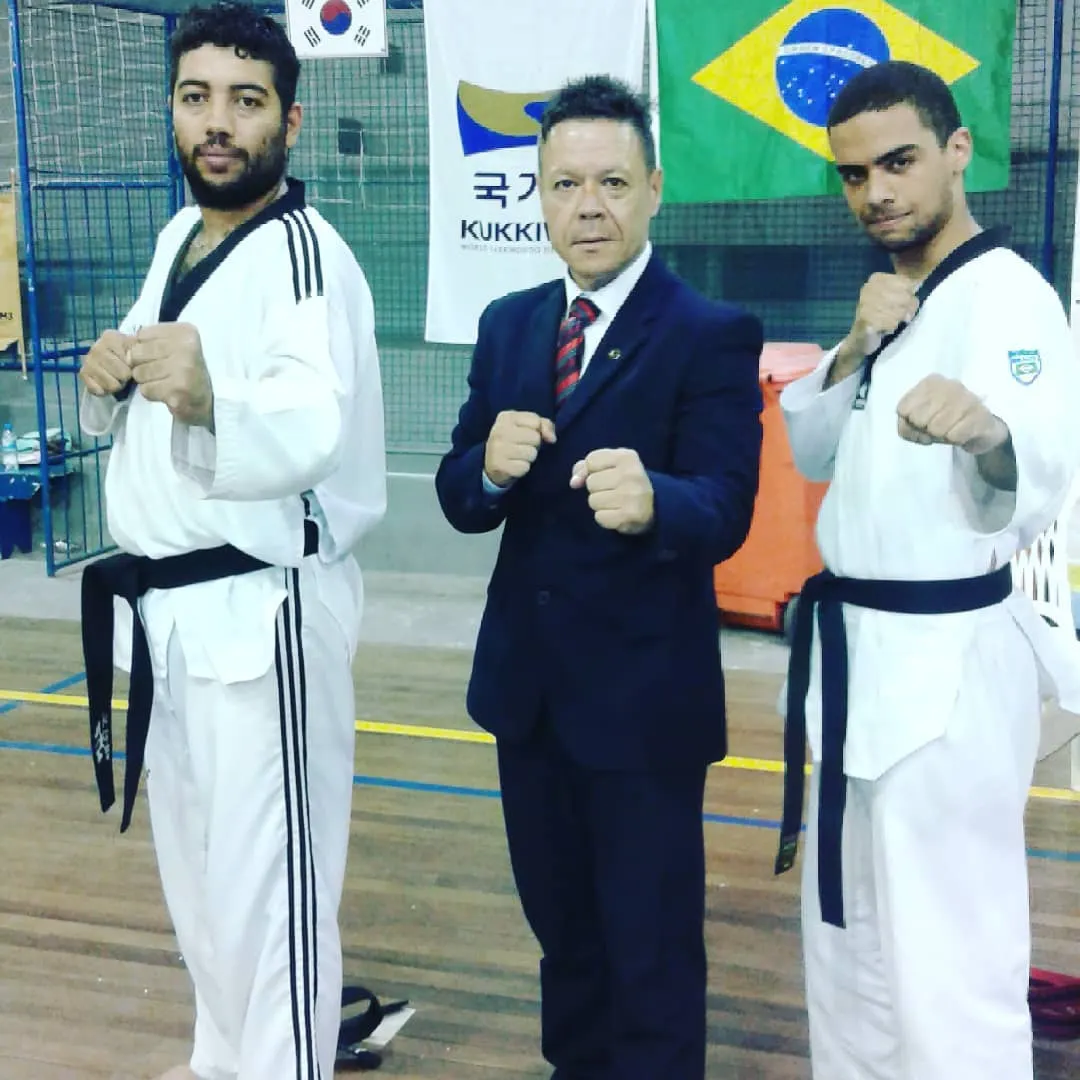
For the client who asks “support what?”, there is a project in Balneário Camboriú: Muaythai nas Escolas (“Muaythai in Schools”), run by FECAMTT, the Santa Catarina Traditional Muaythai Federation, approved under PIE/SC according to the federation’s 2025 media kit, for R$ 100,000.00. The project number and the fundraising letter have not been published here and must be requested from the federation before authorization. The federation is chaired by Mestre Paulo Ribeiro, who has run the Projeto Campeões do Futuro (“Future Champions”) for more than twenty years, offering free Taekwondo to children after school hours. See the Muaythai nas Escolas page.
The project does not receive Imposto de Renda (income tax); only ICMS through PIE/SC.
What to do today
Print this checklist, fill in items 1 to 5 with the client, ask the organization for the fundraising letter and only then authorize in SAT. This is how companies in Brazil do it. If you live abroad, you do not pay tax in Brazil, but you can still support the project: to request the Muaythai nas Escolas documents or learn how to help, talk to the Mestre.
This content is for information only and does not replace advice from your accountant. Rules may change: always check the wording currently in force.
Frequently asked questions
Where is the PIE/SC presumed credit rule?
In art. 470 of Annex 6 of the RICMS/SC (Santa Catarina’s ICMS regulation), as worded by Decree No. 880 of March 6, 2025.
What is the tax base for the credit?
The ICMS due in the assessment period, excluding tax under substituição tributária (tax substitution), under tax liability and tax assessed with a presumed credit that replaces input credits (§ 3).
What are the caps on the credit?
The bracket percentage (15%, 10% or 7%), the amount actually transferred to the project and the tax balance due in the previous period. The lowest applies.
What happens if the state ceiling is reached?
Booking of the credit moves to the following fiscal year (§ 4). The ceiling is 0.5% of the state’s share of the previous year’s ICMS revenue, up to R$ 75 million.
Does the credit affect IRPJ?
PIE/SC is an ICMS benefit. How the presumed credit is treated for IRPJ and CSLL (federal corporate taxes) depends on federal legislation on government grants; assess it case by case.
Sources
Want to support the project?
See how companies and people in Brazil support sport through their taxes, or talk directly to the Master.
Read next
State public utility status: what the title gives a federation
FECAMTT received state public utility status under Law 19,281/2025. What it means, what it does not mean and how a federation applies.
· 8 min read
After-school sports in Brazil: what the law supports and how it works
After-school sports in Brazil: how the Sports Incentive Law, PIE/SC and Fundesporte treat projects for children, with a Balneário Camboriú example.
· 5 min read
How to get corporate sponsorship for a sports project in Brazil
How to get company sponsorship for a sports project in Brazil: PIE/SC, the Sports Incentive Law or direct sponsorship, what to bring, what not to promise.
· 5 min read