After-school sports in Brazil: what the law supports and how it works
After-school sports in Brazil: how the Sports Incentive Law, PIE/SC and Fundesporte treat projects for children, with a Balneário Camboriú example.
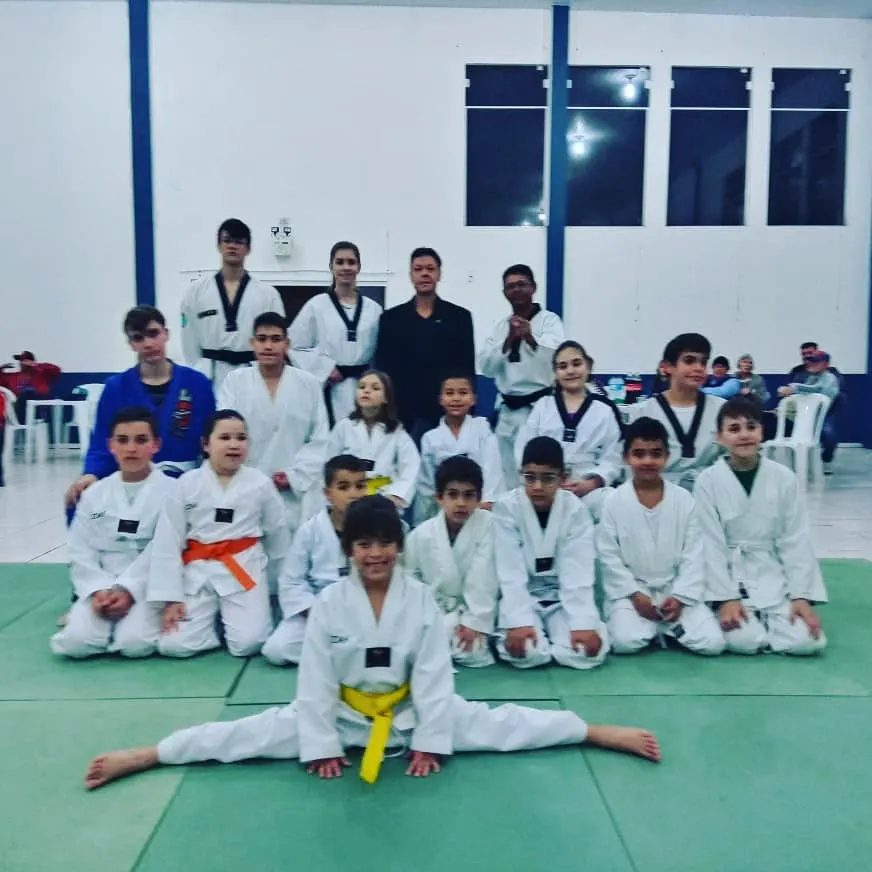
After-school sport (contraturno escolar in Brazil) is the sports class a child takes in the part of the day when they are not at school, usually free of charge and close to home. It is the kind of project Brazil’s incentive laws value most: LC 222/2025 covers sports development and educational sport, PIE/SC (Santa Catarina’s Sports Incentive Program) has its own call for it, and Fundesporte, Balneário Camboriú’s municipal sports fund, has a line with that name. This article explains how each route treats after-school projects and shows how it works in practice in the city. This is how organizations and companies in Brazil do it; readers abroad do not pay tax in Brazil, but they can still understand where the money comes from.
What federal law calls sports development
LC 222, art. 6, organizes projects into three levels. The first is sports development (formação esportiva), which includes the educational sport covered by art. 10 of the General Sports Law (Lei Geral do Esporte, Lei nº 14.597/2023). Decreto nº 12.861/2026, art. 5, describes this level as aimed at children and teenagers and at their all-round development.
Art. 18 of the decree has the rule that matters most for after-school projects: sports development projects must have at least 50% of students from public schools. It is a way to make sure the incentive reaches children who could not pay for a private gym.
Art. 6, § 1, of LC 222 adds that projects for social inclusion through sport, preferably in vulnerable communities, can receive the incentive, and, for companies, with a higher limit. See social inclusion project.
What PIE/SC does
In Santa Catarina, PIE/SC has calls by area, and one of them is for educational sport, according to the FESPORTE frequently asked questions (FESPORTE is Santa Catarina’s state sports foundation). The applicant must be a legal entity registered with the State Sports Council (Conselho Estadual de Esporte) with at least three years of activity. The money comes from the ICMS (state tax on goods and services) of Santa Catarina companies, which transfer part of the tax to the project. See PIE/SC step by step.
What Fundesporte does
In Balneário Camboriú, Fundesporte call 004/2026 set aside R$ 750,000 for four lines, and the first is educational sport. Here the money comes from the city budget and is passed on to selected organizations. See Fundesporte: calls.
The three routes side by side
| Route | Who pays | Who decides | Are after-school projects included? |
|---|---|---|---|
| Sports Incentive Law | Individuals and companies, with a deduction from Imposto de Renda (income tax) | Ministry of Sport approves; the donor chooses | Yes, as sports development, with 50% from public schools |
| PIE/SC | Santa Catarina companies, with ICMS | FESPORTE approves; the company chooses | Yes, in the educational sport call |
| Fundesporte | Municipal budget | Committee of FME and CMEBC (municipal sports bodies) | Yes, in the educational sport line |
How it works in practice: Campeões do Futuro
In 2020, Mestre Paulo Ribeiro said he had created the Projeto Campeões do Futuro (“Future Champions”) twenty years earlier, with Taekwondo and self-defense for children and teenagers, including girls and women. The project is free and runs outside school hours.
In 2019, he showed the group at the João Goulart school, the group in the São Judas neighborhood, with instructor Bianca Kaproski, and the partnership with the city’s Social Inclusion Department (Secretaria de Inclusão Social), with department head Cristina Barrichello. That same year, the project held a belt exam and an integration tournament on the city’s anniversary.
This is what the law describes when it talks about sports development: public school, children, free classes, continuity. The current number of students and the groups active in 2026 have not been confirmed, so we do not publish them.
Example with round numbers
One group with 50 children, three classes a week, one instructor. Annual cost: instructor, equipment (dobok, the Taekwondo uniform, or gloves, protectors, bags), transport to tournaments, uniforms. If the project costs R$ 60,000 a year, a single Santa Catarina company with R$ 40,000 of monthly ICMS and a 15% limit under PIE/SC would cover it all in ten months, at no net cost. See PIE/SC limit.
Common mistakes
- Calling a paid class at a private gym “after-school sport”: what the law values is free classes and public schools.
- Forgetting the 50% of public school students under the Sports Incentive Law.
- Setting up the project without counting the children: numerical targets are a selection criterion.
- Mixing up the three routes and promising an income tax deduction to someone who can only use PIE/SC.
- Naming children in publicity without their parents’ or guardians’ permission.
The usual warning
Campeões do Futuro and FECAMTT, the Santa Catarina Traditional Muaythai Federation, do not receive Imposto de Renda. The Muaythai nas Escolas (“Muaythai in Schools”) project is in PIE/SC, funded with ICMS from Santa Catarina companies: see Muaythai nas Escolas. For individuals, the routes are the FIA of Balneário Camboriú (the municipal Children and Adolescents Fund) and the projects approved under the federal law. All routes are on the Support page.
How to do it today
- Parents: ask at your child’s school whether there is an after-school sports project and who runs it.
- Organization: frame the project as sports development or educational sport and count the public school students.
- Santa Catarina company: choose an educational sport project approved under PIE/SC.
- Individual: use the FIA or a project approved under the federal law.
This is how families, organizations and companies in Brazil do it. If you live abroad, you do not pay tax in Brazil, but you can still support the project: want to know how Campeões do Futuro welcomes new children? Talk to the Mestre.
This content is for information only and does not replace advice from your accountant. Rules may change: always check the wording currently in force.
Frequently asked questions
What is after-school sport (contraturno escolar)?
It is a sports activity offered to children in the part of the day when they are not at school: in the morning for those who study in the afternoon, and vice versa. It is usually free and linked to public schools.
Does the Sports Incentive Law support this kind of project?
Yes. LC 222/2025, art. 6, I, covers sports development, including educational sport. Decreto nº 12.861/2026, art. 18, requires at least 50% of students from public schools.
What about Santa Catarina?
PIE/SC has a call for educational sport, and Balneário Camboriú’s Fundesporte has an educational sport line. They are different routes: company ICMS and the municipal budget.
Is Campeões do Futuro an after-school project?
Yes. It is Mestre Paulo Ribeiro’s free Taekwondo and self-defense project for children and teenagers in Balneário Camboriú, held outside school hours, with groups in schools and neighborhoods.
Sources
- Lei Complementar nº 222, de 26 de novembro de 2025, art. 6º
- Decreto nº 12.861, de 2026, arts. 5º e 18
- FESPORTE: PIE frequently asked questions
- Balneário Camboriú city government: Fundesporte call 004/2026
- Mestre Paulo Ribeiro on Instagram: Projeto Campeões do Futuro, João Goulart school (2019)
- Mestre Paulo Ribeiro on Instagram: São Judas neighborhood group (2019)
- Mestre Paulo Ribeiro on Instagram: Campeões do Futuro with the Social Inclusion Department (2019)
- Mestre Paulo Ribeiro on Instagram: creation of Campeões do Futuro (2020)
Want to support the project?
See how companies and people in Brazil support sport through their taxes, or talk directly to the Master.
Read next
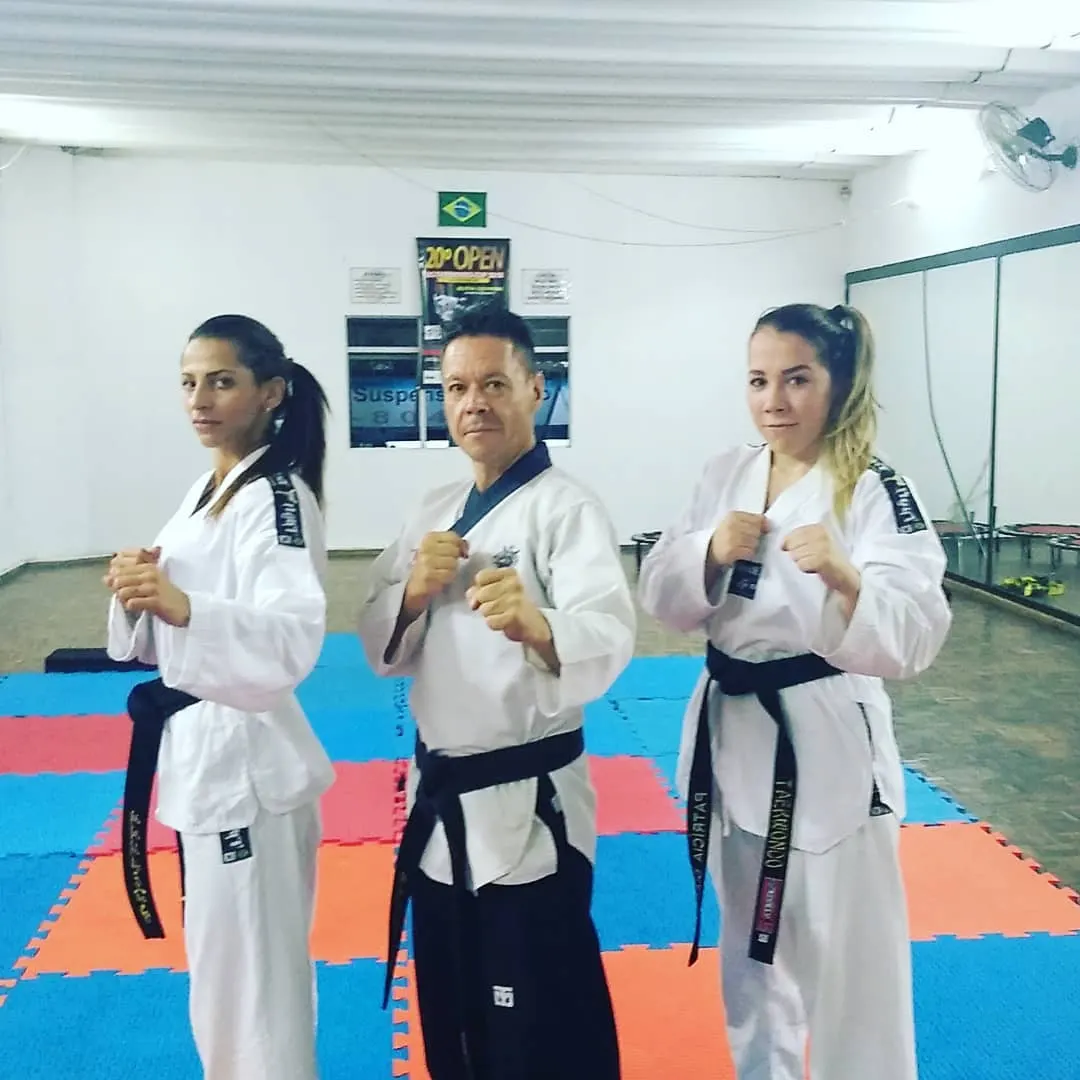
State public utility status: what the title gives a federation
FECAMTT received state public utility status under Law 19,281/2025. What it means, what it does not mean and how a federation applies.
· 8 min read
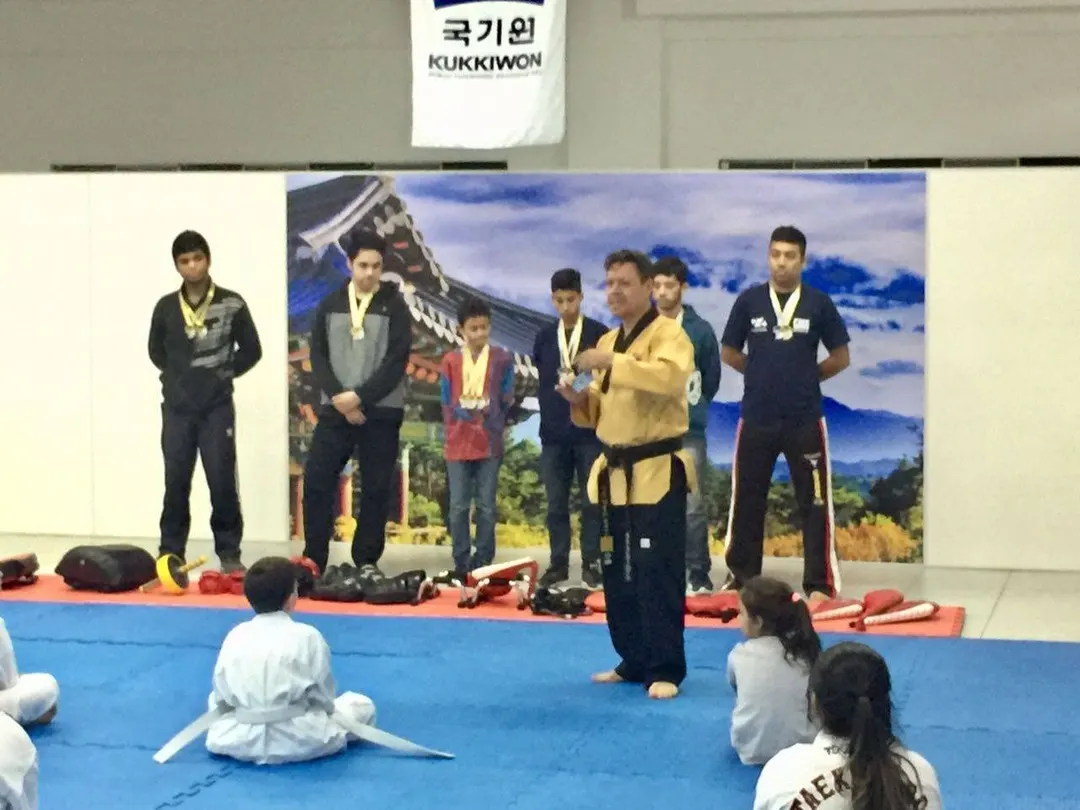
How to get corporate sponsorship for a sports project in Brazil
How to get company sponsorship for a sports project in Brazil: PIE/SC, the Sports Incentive Law or direct sponsorship, what to bring, what not to promise.
· 5 min read
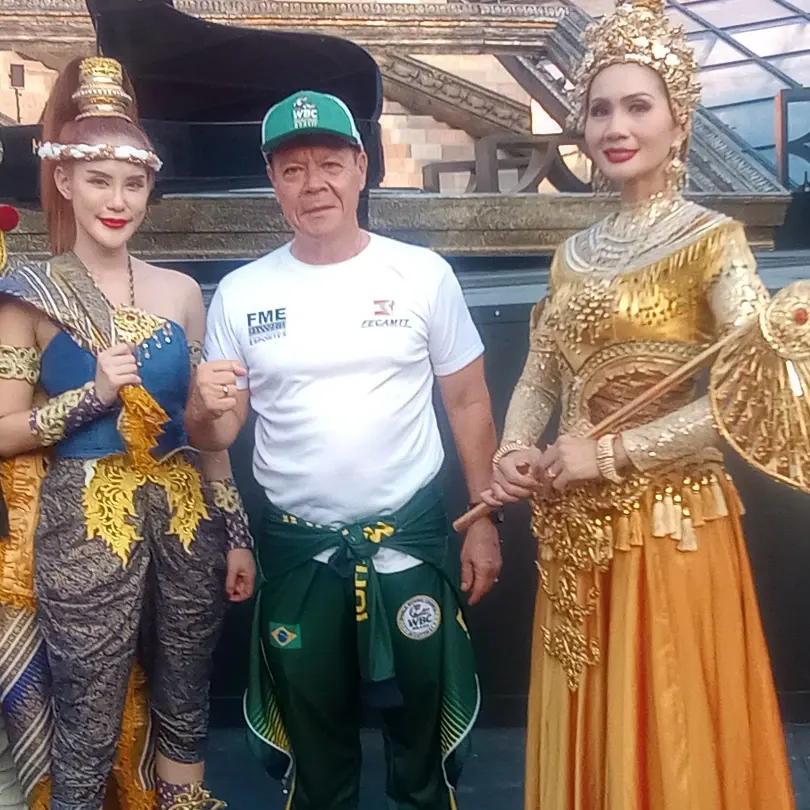
Athlete Grant (Bolsa Atleta) in Balneário Camboriú: how it works
Bolsa Atleta in Balneário Camboriú, Brazil: a city athlete grant restructured by Law 4,081/2025, paid in 12 installments. 2026 amounts and how to apply.
· 5 min read