Athlete Grant (Bolsa Atleta) in Balneário Camboriú: how it works
Bolsa Atleta in Balneário Camboriú, Brazil: a city athlete grant restructured by Law 4,081/2025, paid in 12 installments. 2026 amounts and how to apply.
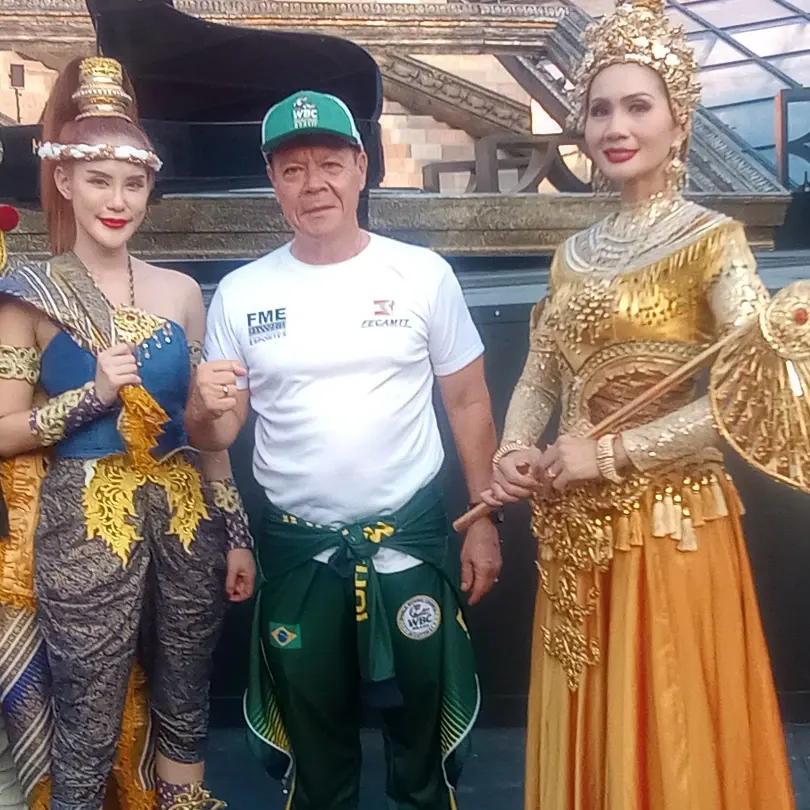
The Bolsa Atleta (Athlete Grant) in Balneário Camboriú, Brazil, is a monthly grant paid by the city’s sports foundation, the Fundação Municipal de Esportes (FME), to performance athletes who represent the city, selected each year through a call for applications. Restructured by municipal Law No. 4,081/2025, the program pays 12 installments to those selected. In 2026, the city government reported R$ 1.6 million under Call 002/2026 and R$ 400,000 under the second call. This article is part of a series on how sport is funded in Brazil, written for Brazilian residents: it explains who can receive the grant, how to apply and what the grant is not.
What the law changed in 2025
According to the city government, the program was restructured by Law No. 4,081/2025 and now grants 12 installments, providing continuous financial support throughout the year of the call. Payment used to follow a different format; now athletes know they will have a monthly income to train and compete.
The program serves high-performance athletes and para-athletes as they prepare for and take part in official competitions.
The 2026 calls for applications
On April 2, 2026, the FME announced the results of calls 002/2026 and 003/2026:
- Call 002/2026: athletes who represent the city at official state, national, international and world events, in the team and individual sports of the official performance program of FESPORTE, Santa Catarina’s state sports foundation. Investment: R$ 1.6 million.
- Second call: investment of R$ 400,000, according to the same note.
The list of selected athletes and the schedule for signing the commitment agreement are on the FME calls page.
How it went in 2025
Call 002/2025 accepted applications through the 1Doc platform until February 18, 2025, according to Página 3. The review committee’s minutes of March 7, 2025 record 470 applications filed. Mestre Paulo Ribeiro, an FME coach since 2014, sat on that committee.
Four hundred and seventy applications in a city the size of Balneário Camboriú show how much the program matters to those who compete.
Step by step for athletes
- Watch the FME calls page at the start of the year. Calls come out with short deadlines.
- Read the requirements: a recognized sport, representing the city, results in official competitions, personal documents.
- Gather the evidence: score sheets, certificates, statements from the federation. A result without paperwork does not count.
- Apply through 1Doc with the athlete’s CPF (Brazilian individual taxpayer ID) and e-mail (or the guardian’s, for minors).
- Check the preliminary list and, if a document is missing, submit it within the deadline.
- Sign the commitment agreement and meet the obligations: compete, represent the city, report on the use of the money.
An example with round numbers
A Muaythai athlete who was state runner-up and represents Balneário Camboriú at the JASC, the Santa Catarina Open Games, applies with a score sheet and a certificate. If selected, they receive 12 monthly installments over the year. If the grant were R$ 500, that would be R$ 6,000 a year for gloves, travel, entry fees and food at competitions. The real amounts for each category are in the call; use the example only to understand the logic.
What the Bolsa Atleta is not
- It is not a tax incentive. It is money from the city budget. Those who want to deduct tax should look at the federal laws: see Sports Incentive Law.
- It is not for organizations. It goes to the athlete. Organizations have the Fundesporte fund.
- It is not for beginners. It is for performance, with proven results. Children in after-school programs are not eligible.
Common mistakes
- Missing the 1Doc deadline.
- Applying without proof of results.
- Confusing the city Bolsa Atleta with the federal one or FESPORTE’s, which have their own calls.
- Forgetting to report on the use of the money and losing the next grant.
- Thinking the coach or the federation can receive the money in the athlete’s place.
What about Muaythai in Balneário Camboriú?
The city’s Muaythai produces performance athletes. In 2025, at the WBC World Championship in Verona, an athlete from the Mestre’s team became youth world champion and Leandro Veiga was adult runner-up; see Verona World Championship 2025. The Bolsa Atleta is one of the paths that help athletes like these keep going.
But the Projeto Campeões do Futuro (“Future Champions”) is something else: it is Mestre Paulo Ribeiro’s free Taekwondo and self-defense project for children after school hours, focused on introduction to the sport, not performance. Campeões do Futuro and FECAMTT, the Santa Catarina Traditional Muaythai Federation, do not receive Imposto de Renda (income tax) donations. Muaythai nas Escolas (“Muaythai in Schools”) is part of PIE/SC (Santa Catarina’s Sports Incentive Program), funded with ICMS (the state tax on goods and services) from Santa Catarina companies: see Muaythai nas Escolas. The ways to support are on the Support page.
What to do today
- Athletes: bookmark the FME calls page and organize your 2026 evidence.
- Parents of underage athletes: gather documents and check who signs on 1Doc.
- Coaches: list the athletes with results and warn them about the deadline.
- Individuals who want to help: remember that the Bolsa Atleta gives no deduction; use the federal options.
This is how athletes, companies and individuals in Brazil do it. If you live abroad, you do not pay tax in Brazil, but you can still support the project: want to know how Campeões do Futuro takes children from their first class to competition? Talk to the Mestre.
This content is for information only and does not replace advice from your accountant. Rules may change: always check the wording currently in force.
Frequently asked questions
What is the Bolsa Atleta in Balneário Camboriú?
It is the program of the city’s sports foundation (Fundação Municipal de Esportes) that pays a monthly grant to the city’s performance athletes. It was restructured by municipal Law No. 4,081/2025 and grants 12 installments a year.
How much did the city invest in 2026?
According to the city government, R$ 1.6 million under Call for Applications 002/2026, for sports in FESPORTE’s performance program, and R$ 400,000 under the second call.
How does an athlete apply?
Through the 1Doc platform, within the deadline of the call published on the FME website. In 2025, there were 470 applications under Call 002/2025.
Is the Bolsa Atleta a tax incentive?
No. It is money from the city budget paid to the athlete. Nobody deducts any tax; the athlete signs a commitment agreement and reports on how the money was used.
Sources
Want to support the project?
See how companies and people in Brazil support sport through their taxes, or talk directly to the Master.
Read next
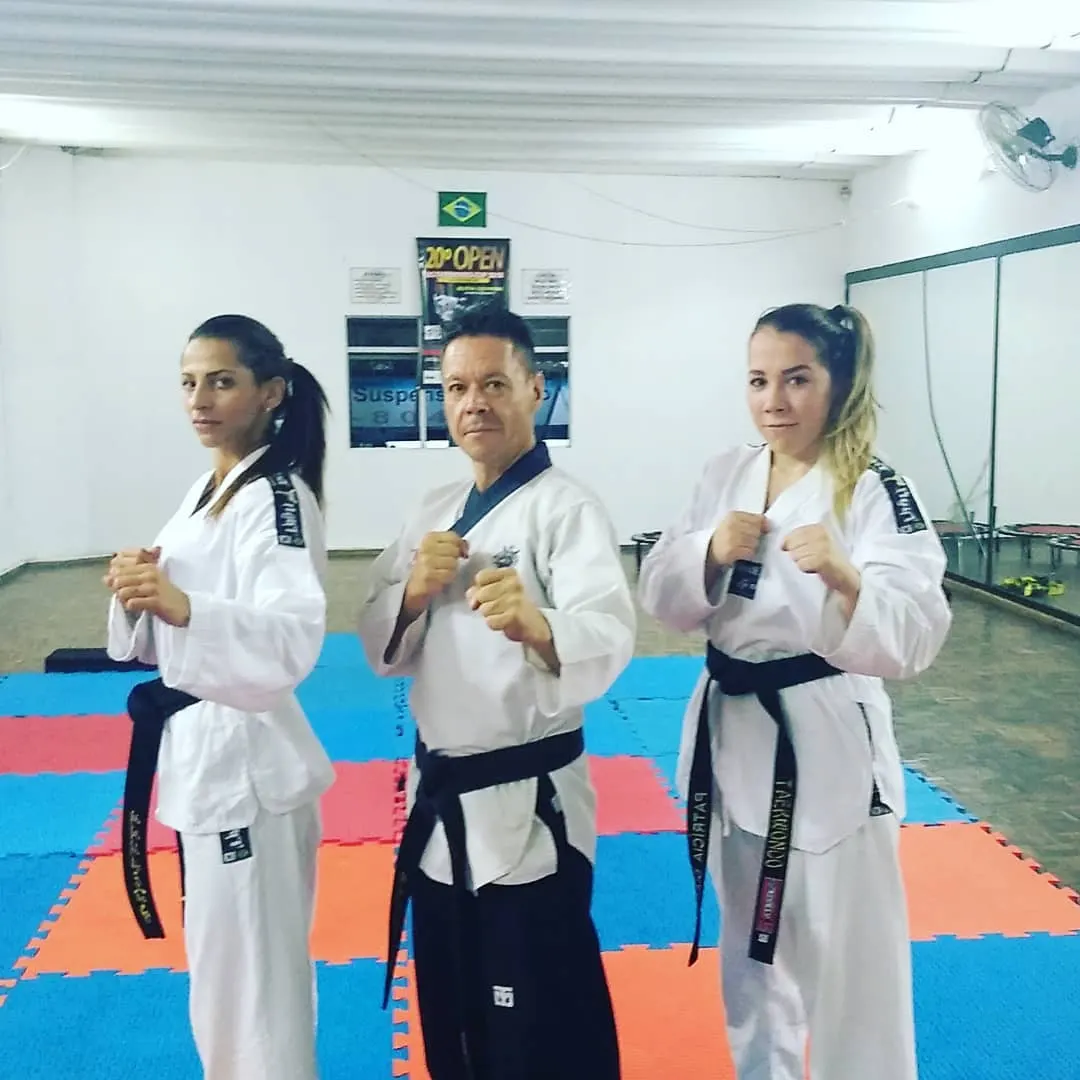
State public utility status: what the title gives a federation
FECAMTT received state public utility status under Law 19,281/2025. What it means, what it does not mean and how a federation applies.
· 8 min read
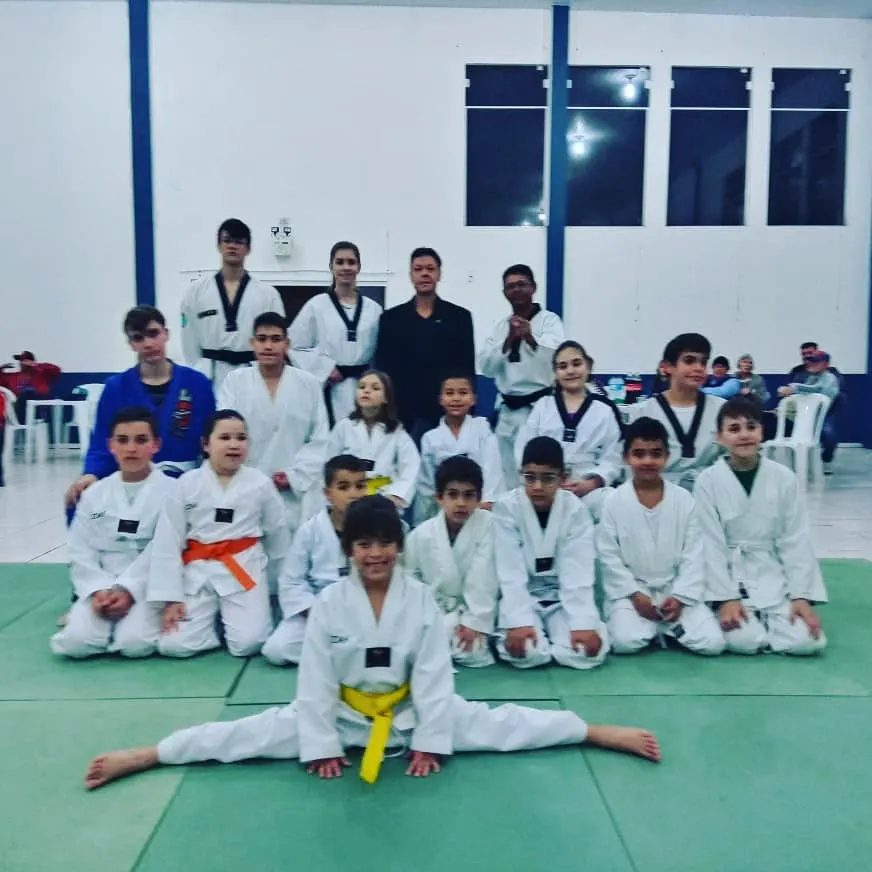
After-school sports in Brazil: what the law supports and how it works
After-school sports in Brazil: how the Sports Incentive Law, PIE/SC and Fundesporte treat projects for children, with a Balneário Camboriú example.
· 5 min read
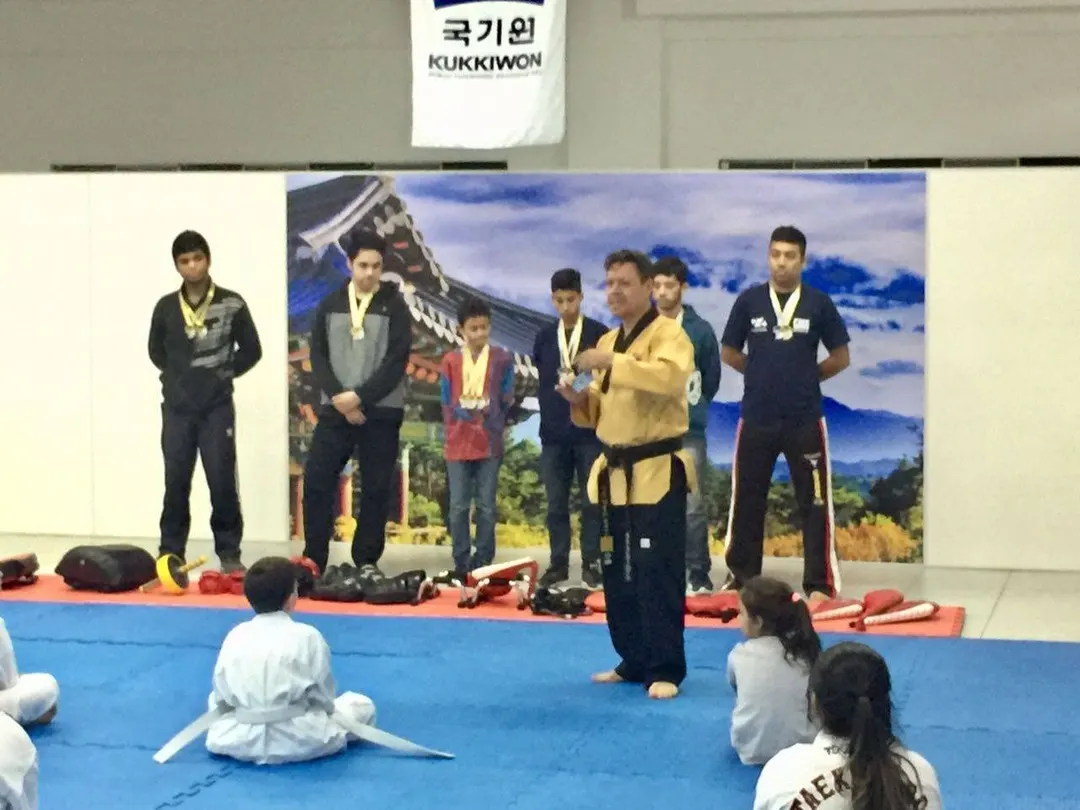
How to get corporate sponsorship for a sports project in Brazil
How to get company sponsorship for a sports project in Brazil: PIE/SC, the Sports Incentive Law or direct sponsorship, what to bring, what not to promise.
· 5 min read