Brazil’s Sports Incentive Law: what it is and how it works in 2026
Brazil’s Sports Incentive Law (LC 222/2025) explained: who can allocate income tax, the 7% and 2% limits, project types and costly mistakes.
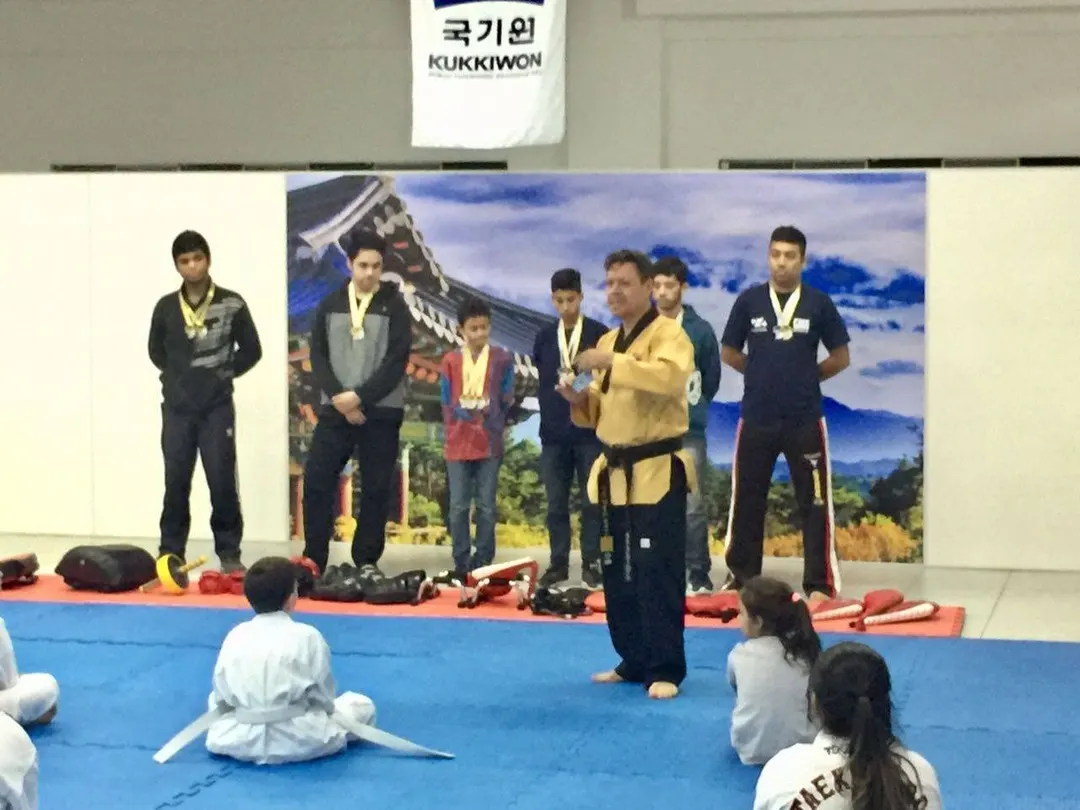
Brazil’s Sports Incentive Law (Lei de Incentivo ao Esporte) lets you choose where part of your Imposto de Renda (income tax) goes: instead of all of it going to the Federal Government’s coffers, up to 7% of an individual’s imposto devido (tax due) can go to a sports project approved by the Federal Government. Since November 2025, the rule has been Lei Complementar nº 222/2025 (a complementary law), which replaced the old Law nº 11,438/2006. This is how taxpayers in Brazil do it; readers abroad do not pay tax in Brazil, but this is the main way Brazilian sports projects are funded. This article explains, without jargon, how it works.
What changed in 2025
Law nº 11,438/2006 was in force for almost twenty years. It was repealed by art. 25 of LC 222/2025, published in the Diário Oficial da União (the federal official gazette) on November 27, 2025. The new law brought three main changes:
- It applies to federal income tax and paves the way for states and municipalities to create similar incentives with ICMS (state tax on goods and services) and ISS (municipal tax on services) (art. 2 and art. 15).
- It sets a higher limit, 4%, for social inclusion projects in vulnerable communities (art. 9, § 4).
- It creates a transition for companies: 2% of IRPJ (corporate income tax) up to calendar year 2027 and 3% from 2028 (arts. 9 and 23).
Decree nº 12,861/2026 regulated the law in February 2026 and detailed the project types, the limits and the obligations of those who receive the money. The changes, point by point, are in the article what changes with LC 222/2025.
Who can allocate and how much
The law works with two groups (art. 9, § 1):
- Individuals: up to 7% of the tax due on the annual return. This limit is shared with other deductions in the same group, such as the children and adolescents funds, the elderly funds and the Lei Rouanet (the federal culture incentive law). The law says the limit applies “jointly” with the deductions in art. 12 of Law nº 9,250/1995.
- Companies under lucro real (actual profit regime): up to 2% of the IRPJ due until 2027 and 3% from 2028. The amount cannot be deducted as an expense from actual profit or from the CSLL, the social contribution on net profit (art. 9, § 2).
Example with round numbers: someone with R$ 10,000 of tax due can allocate up to R$ 700. A company under actual profit with R$ 100,000 of IRPJ due can allocate up to R$ 2,000 in 2026.
This is where a detail comes in that your accountant needs to check. LC 224/2025, art. 4, § 4, item V, required that only 90% of reductions in tax due be applied from 2026, and Decree nº 12,861/2026 (art. 2, § 10) says the company incentive must observe this reduction. In the most common reading, the 2% becomes 1.8%. Individuals were not affected.
Companies under Simples Nacional (the simplified regime for small businesses) and lucro presumido (presumed profit regime) are not eligible. See the article Can Simples and presumed profit companies use the law?.
Donation or sponsorship
Art. 4 of LC 222/2025 distinguishes two forms of support:
- Sponsorship: a transfer of money for promotional purposes. The company’s brand appears in the project.
- Donation: a transfer without any publicity.
For individuals, the difference is small in practice. For companies it matters, because it defines what can be asked for in return for the support.
Which projects can receive
The law defines three levels (art. 6):
- Sports development, including educational sport under Law nº 14,597/2023. The decree explains that this is sport aimed at children and adolescents, focused on their overall development.
- Sporting excellence, meaning high performance.
- Sport for life, meaning lifelong practice.
§ 1 of the same article creates the focus on social inclusion in vulnerable communities, with a higher deduction limit. § 2 prohibits using the money to pay professional athletes.
Sports development projects must serve at least 50% of students from public schools (Decree nº 12,861/2026, art. 18). Administrative expenses are capped at 15% of the budget (art. 12 of the decree).
Projects are proposed by a non-profit legal entity or an educational institution (LC 222/2025, art. 4). Individuals cannot propose.
How it works in practice, in 5 steps
- The project is approved by the Ministry of Sport. Approval only takes effect after it is published in an official act stating the title, the institution, the amount and the fundraising period (art. 10).
- The organization opens a dedicated account at Banco do Brasil or Caixa, both state-owned banks, in its own name and only for that project (art. 11).
- You deposit the amount into that account, within the fundraising period.
- The organization issues a receipt and sends the data to the Receita Federal (federal tax authority).
- You report the donation on the following year’s return, using the modelo completo (full itemized return), and the amount is deducted from the tax due, within the limit.
The step-by-step guide with screens and fields is in how to donate income tax to sports.
Common mistakes that void the deduction
- Depositing into the organization’s general account. Without the dedicated account, the law says there is no deduction (art. 11).
- Supporting a project of a related party. Art. 5 prohibits supporting a project of your own company, your spouse, relatives up to the third degree or affiliated companies.
- Depositing after the fundraising deadline published in the official act.
- Using the desconto simplificado (simplified standard deduction) on your return. Only the full itemized return allows the deduction.
- Going over the limit. Anything above 7% becomes an ordinary donation, with no deduction.
- Expecting the organization to raise more than approved. Art. 10 prohibits raising more than the published amount.
What this has to do with Balneário Camboriú
Here is an honest reminder. For more than twenty years, Mestre Paulo Ribeiro has run Projeto Campeões do Futuro (“Future Champions”), which teaches Taekwondo and self-defense free of charge to children after school hours, and he chairs FECAMTT, the Santa Catarina Traditional Muaythai Federation. Neither currently has a project approved to receive income tax under the Sports Incentive Law.
What concretely exists is different: the Muaythai nas Escolas (“Muaythai in Schools”) project, run by FECAMTT, was approved under PIE/SC (Santa Catarina’s Sports Incentive Program), the state program that uses ICMS from Santa Catarina companies. If your company pays ICMS in Santa Catarina, that is the route; see the Muaythai nas Escolas page.
If you are an individual, the legal options are different: the Balneário Camboriú Fundo da Infância e Adolescência (FIA, the Children and Adolescents Fund) and projects already approved under the Sports Incentive Law. Both are explained on the Support page.
How to do it today
- Individuals: calculate 7% of the tax due on your last return. That is your ceiling for this year. Then choose an approved project and check on the Ministry of Sport’s official page that it is open for fundraising.
- Companies under actual profit: ask your accountant for the estimated IRPJ for the year and calculate 2%. Confirm with them the effect of LC 224/2025 before signing any sponsorship agreement.
- Companies paying ICMS in Santa Catarina: the most direct way to support Muaythai in Balneário Camboriú is PIE/SC.
This is how taxpayers in Brazil do it. If you live abroad, you do not pay tax in Brazil, but you can still support the project. Want to find out which option fits your case? Talk to the Mestre.
This content is for information only and does not replace advice from your accountant. Rules may change: always check the wording currently in force.
Frequently asked questions
What is the Sports Incentive Law?
It is the federal law that allows individuals and companies under lucro real (actual profit regime) to allocate part of their Imposto de Renda (income tax) due to sports projects approved by the Federal Government. Today it is Complementary Law nº 222/2025, which replaced Law nº 11,438/2006.
How much can an individual allocate?
Up to 7% of the income tax due on the return, combined with the other deductions in the same group, such as the children’s and elderly funds and the Lei Rouanet. The limit is in art. 9, § 1, item II, of LC 222/2025.
How much can a company allocate?
Companies taxed under actual profit can allocate up to 2% of the IRPJ (corporate income tax) due up to calendar year 2027 and up to 3% from 2028, under arts. 9 and 23 of LC 222/2025. LC 224/2025 requires that only 90% of this reduction be applied: check the figure with your accountant.
Can I allocate to Mestre Paulo Ribeiro’s project?
There is currently no project by the Mestre or by FECAMTT approved to receive income tax. The Muaythai nas Escolas project was approved under PIE/SC, which uses ICMS from Santa Catarina companies. For individuals, see the real options on the Support page.
Does the donation come out of my pocket?
Within the limit, the amount allocated is deducted from the tax you already owe. In practice, you choose where part of your tax goes. Above the limit, the excess is not deducted and becomes an ordinary donation.
Sources
Want to support the project?
See how companies and people in Brazil support sport through their taxes, or talk directly to the Master.
Read next
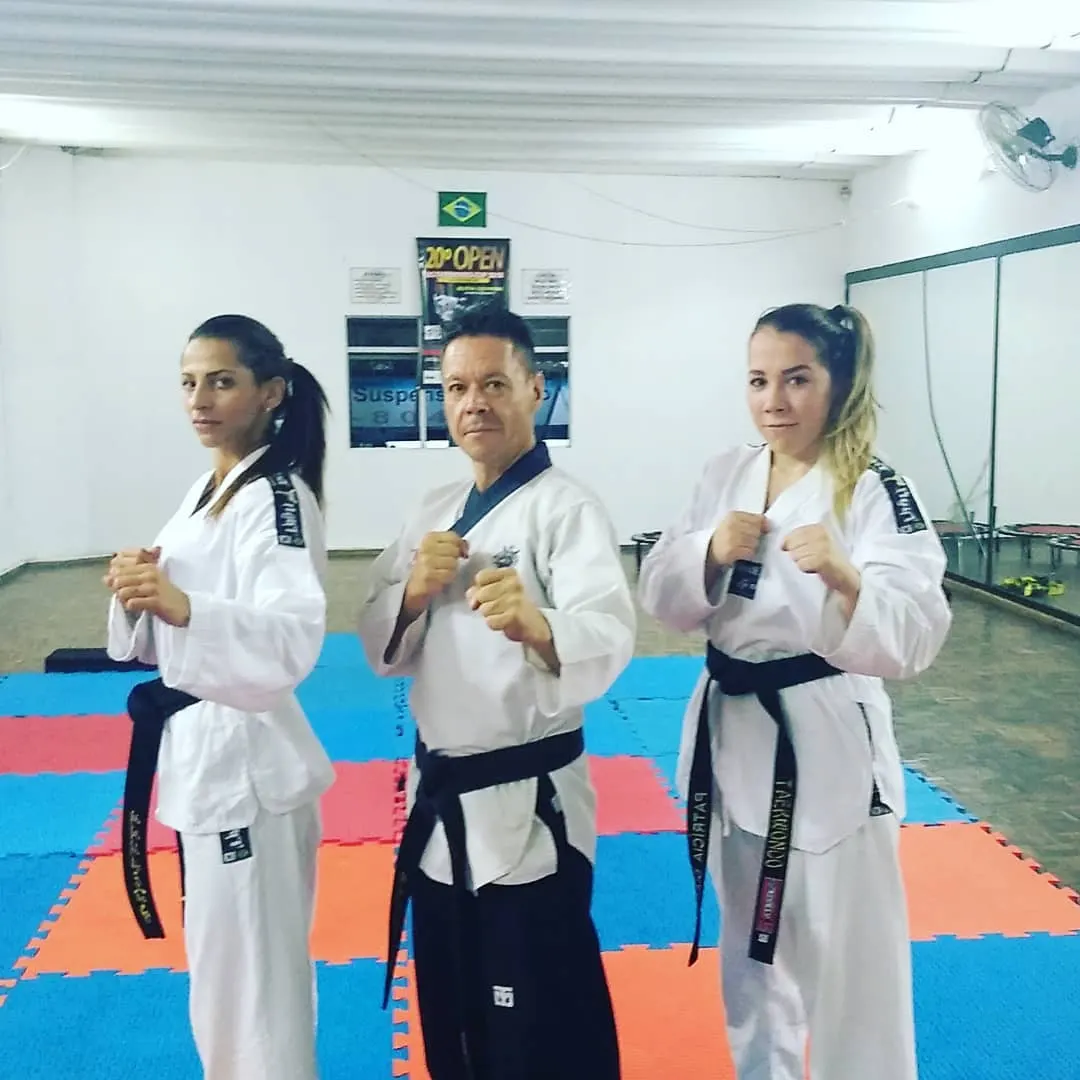
State public utility status: what the title gives a federation
FECAMTT received state public utility status under Law 19,281/2025. What it means, what it does not mean and how a federation applies.
· 8 min read
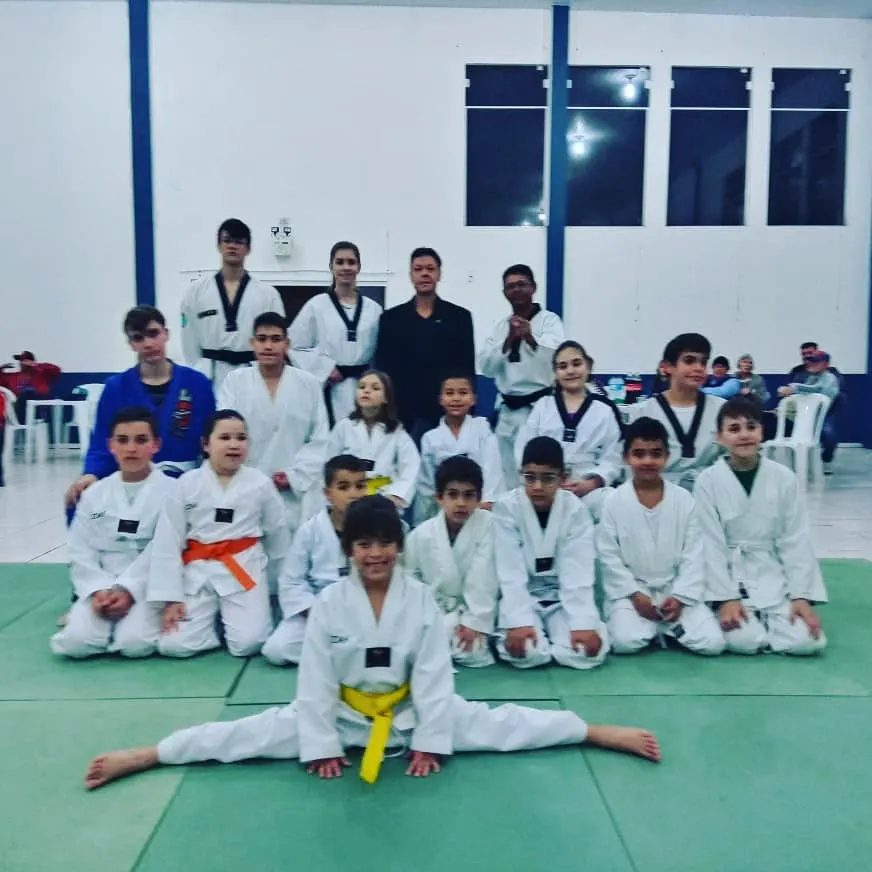
After-school sports in Brazil: what the law supports and how it works
After-school sports in Brazil: how the Sports Incentive Law, PIE/SC and Fundesporte treat projects for children, with a Balneário Camboriú example.
· 5 min read
How to get corporate sponsorship for a sports project in Brazil
How to get company sponsorship for a sports project in Brazil: PIE/SC, the Sports Incentive Law or direct sponsorship, what to bring, what not to promise.
· 5 min read