How to donate income tax to sport in Brazil: step by step
Step by step for individuals in Brazil to direct income tax to sport: the 7% limit, the right account, the receipt, the tax return field and key mistakes.
This is how taxpayers in Brazil direct part of their income tax to sport; if you live abroad and do not pay tax in Brazil, this guide shows how the system works. To donate Imposto de Renda (income tax) to sport, you deposit up to 7% of your imposto devido (tax due) into the dedicated account of a project approved by the Ministry of Sport and report that amount on the following year’s tax return. The amount is deducted from your tax; in practice, you decide where that slice goes. The rule is in Complementary Law No. 222/2025, art. 9. Below is the complete step by step.
Before you start: do you have tax due?
Tax due is the tax calculated on your income for the year, before subtracting what was already withheld at source. It appears on the previous year’s return, on the “imposto devido” line. If the amount is zero, there is nothing to deduct.
Example with round numbers: someone with R$ 10,000 in tax due can direct up to R$ 700. If this taxpayer already had R$ 10,000 withheld at source during the year and donated R$ 700, the refund goes up by R$ 700.
People earning up to R$ 5,000 a month stopped paying income tax in 2026 under Law No. 15,270/2025 and, therefore, have no tax due to direct. We explain this in the R$ 5,000 exemption and donations.
Step 1: calculate your limit
The limit for individuals is 7% of the tax due (art. 9, § 1, II, of LC 222/2025). This ceiling is shared: it covers sport, children’s and adolescents’ funds, elderly funds, the Lei Rouanet (the federal culture incentive law) and audiovisual projects. The Receita Federal (Brazil’s federal revenue service) confirmed the combined limit in IN RFB No. 2,299/2025, which amended art. 80 of IN No. 1,500/2014.
If you already donate to a children’s fund, subtract that amount from the 7% before working out what is left for sport. See how much income tax I can direct.
Step 2: choose a project that is approved and raising funds
Only projects approved by the Ministry of Sport count, with approval published in an official act stating the title, the organization, the amount and the fundraising period (art. 10 of LC 222/2025). Ask the organization for:
- the case number and the published approval;
- the current fundraising period;
- the details of the project’s dedicated account.
An honest warning: Campeões do Futuro and FECAMTT do not have a project approved for income tax. Muaythai nas Escolas was approved under PIE/SC, which works with ICMS from Santa Catarina companies. If you want to support children in Balneário Camboriú as an individual, the real options are the city’s Fundo da Infância e Adolescência (children’s and adolescents’ fund) and federal projects that are already approved, listed on the Support page.
Step 3: deposit into the right account
Art. 11 of LC 222/2025 requires the money to go into a dedicated bank account, opened at Banco do Brasil or Caixa, in the proposer’s name and only for that project. A deposit into the organization’s general account does not generate a deduction.
Make the transfer from your own account under your CPF (individual taxpayer ID), never from someone else’s. Keep the receipt.
Step 4: get the receipt
The organization issues a receipt with the donor’s details, the project, the date and the amount, and sends the information to the Receita Federal. Without the receipt you cannot prove the donation if your return is flagged for review (the so-called malha fina). What the receipt must contain is in incentivized donation receipt.
Step 5: report it on the following year’s return
- Open the tax return program and choose the full return.
- Go to the Doações Efetuadas (Donations Made) section.
- Choose the code for sports incentive.
- Enter the proposer’s CNPJ (company taxpayer ID), the project name and the amount.
- Check on the summary page that the amount was deducted from the tax due, within the limit.
The program calculates the limit on its own. If you donated more than 7%, the excess is simply not deducted.
Mistakes that cancel the donation
- Using the simplified return. The 20% discount replaces all deductions, including this one.
- Depositing into the wrong account. Only the project’s dedicated account counts.
- Donating outside the fundraising period published in the official act.
- Donating to a project of a related person. Art. 5 prohibits supporting projects of a spouse, relatives up to the third degree or an affiliated company.
- Donating goods or services. The law speaks of transferring funds; the safe choice is money.
- Losing the receipt. Without it, the Receita Federal can disallow the amount.
- Donating in January thinking it counts for the previous year. A donation made in 2026 goes on the 2027 return.
What if I want to see the children that sport reaches?
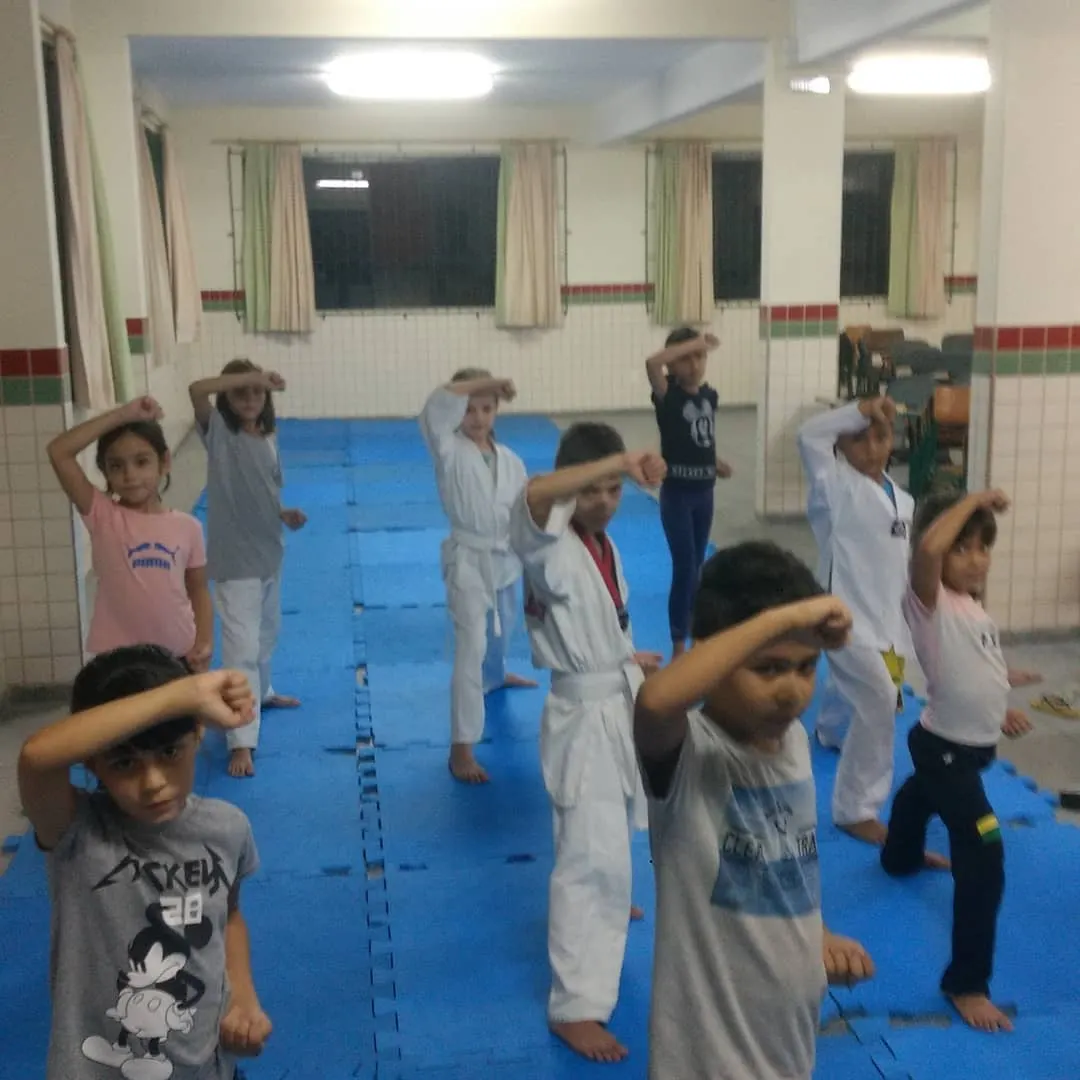
In Balneário Camboriú, Mestre Paulo Ribeiro has run the Projeto Campeões do Futuro (“Future Champions”) for more than twenty years: free Taekwondo and self-defense for children after school hours, with branches at schools such as EEB João Goulart and in the São Judas neighborhood. In 2025, a 16-year-old student of the Mestre became youth world champion at the World Championship in Verona, Italy, and Leandro Veiga took silver in the adult division.
This work does not receive income tax for now. If your company pays ICMS (the state tax on goods and services) in Santa Catarina, the path is Muaythai nas Escolas (“Muaythai in Schools”) through PIE/SC (Santa Catarina’s Sports Incentive Program). If you are an individual in Brazil, use the options above. If you live abroad, you do not pay tax in Brazil, but you can still support the project: to talk about other ways to help, talk to the Mestre.
What to do today
- Take your latest tax return and write down the tax due.
- Multiply it by 0.07. That is your ceiling.
- Subtract what you already donate to other incentivized funds.
- Choose a project that is approved and raising funds, ask for the dedicated account and deposit by December 31.
- Keep the bank receipt and the donation receipt for next year’s return.
This content is for information only and does not replace advice from your accountant. Rules may change: always check the wording currently in force.
Frequently asked questions
Do I need to owe tax to donate?
You need to have imposto devido (tax due), which is the tax calculated on your income for the year. If you have tax due and it was already withheld at source, you get the donation back as a larger refund. If you have no tax due, there is nothing to deduct.
What is the limit for individuals?
Up to 7% of the tax due, combined with donations to children’s funds, elderly funds, the Lei Rouanet (culture incentive law) and audiovisual projects (LC 222/2025, art. 9, § 1, II).
Can I donate if I file the simplified return?
No. The deduction only exists in the full return. In the simplified return, the 20% standard discount replaces all deductions.
Can I donate directly to Mestre Paulo Ribeiro?
Not with a deduction. Neither Campeões do Futuro nor FECAMTT has a project approved to receive Imposto de Renda (income tax). FECAMTT has Muaythai nas Escolas approved under PIE/SC, which uses ICMS from companies.
When do I need to make the donation?
Within the calendar year, by December 31, and within the project’s fundraising period. A donation made in 2026 goes on the 2027 tax return.
Sources
Want to support the project?
See how companies and people in Brazil support sport through their taxes, or talk directly to the Master.
Read next
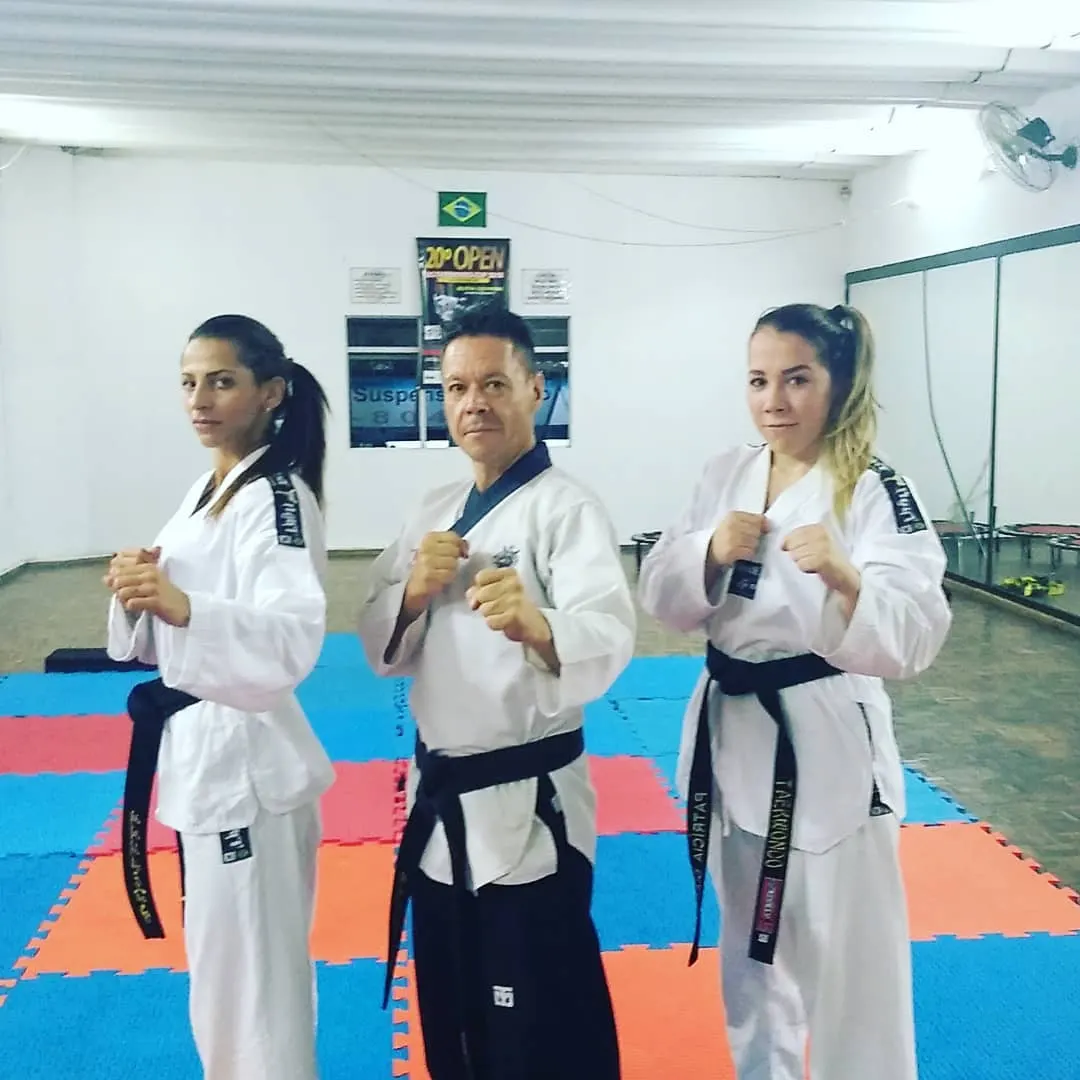
State public utility status: what the title gives a federation
FECAMTT received state public utility status under Law 19,281/2025. What it means, what it does not mean and how a federation applies.
· 8 min read
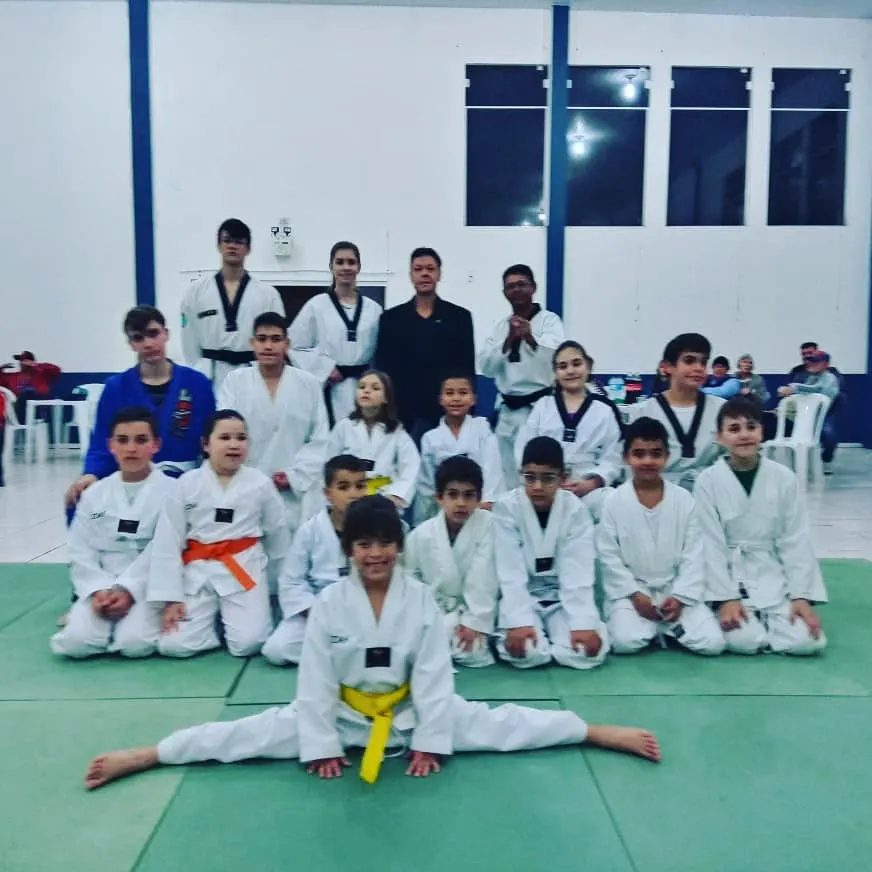
After-school sports in Brazil: what the law supports and how it works
After-school sports in Brazil: how the Sports Incentive Law, PIE/SC and Fundesporte treat projects for children, with a Balneário Camboriú example.
· 5 min read
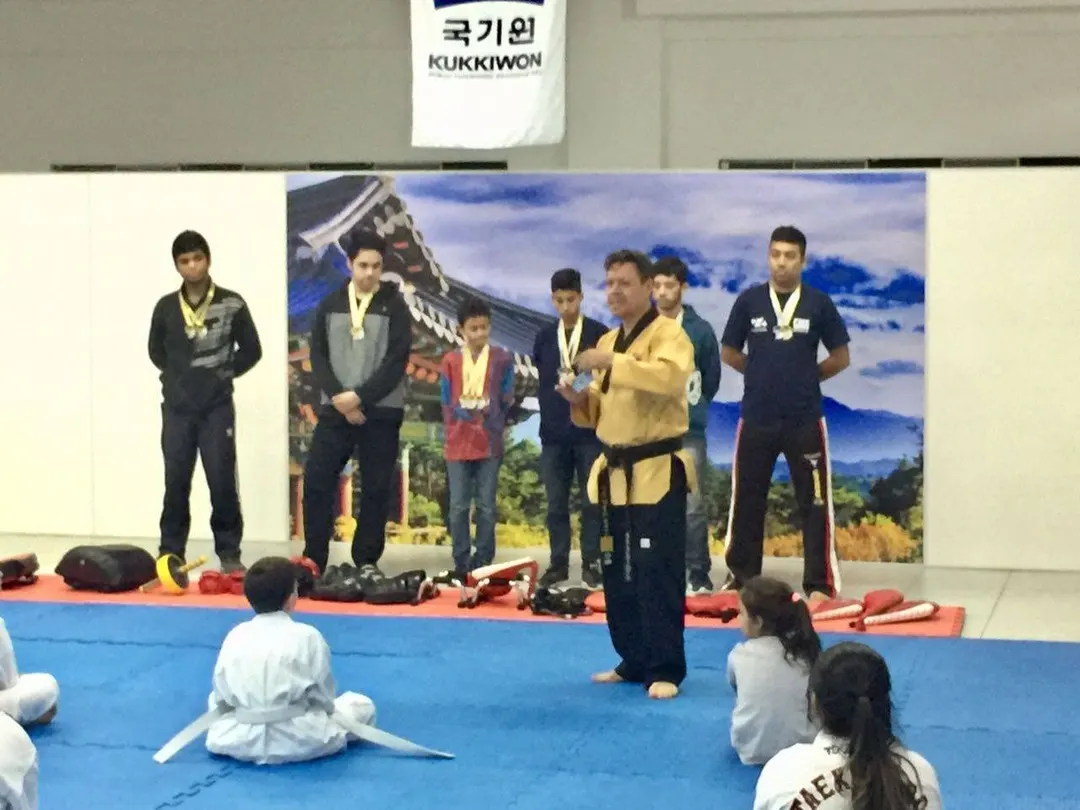
How to get corporate sponsorship for a sports project in Brazil
How to get company sponsorship for a sports project in Brazil: PIE/SC, the Sports Incentive Law or direct sponsorship, what to bring, what not to promise.
· 5 min read