How to get corporate sponsorship for a sports project in Brazil
How to get company sponsorship for a sports project in Brazil: PIE/SC, the Sports Incentive Law or direct sponsorship, what to bring, what not to promise.
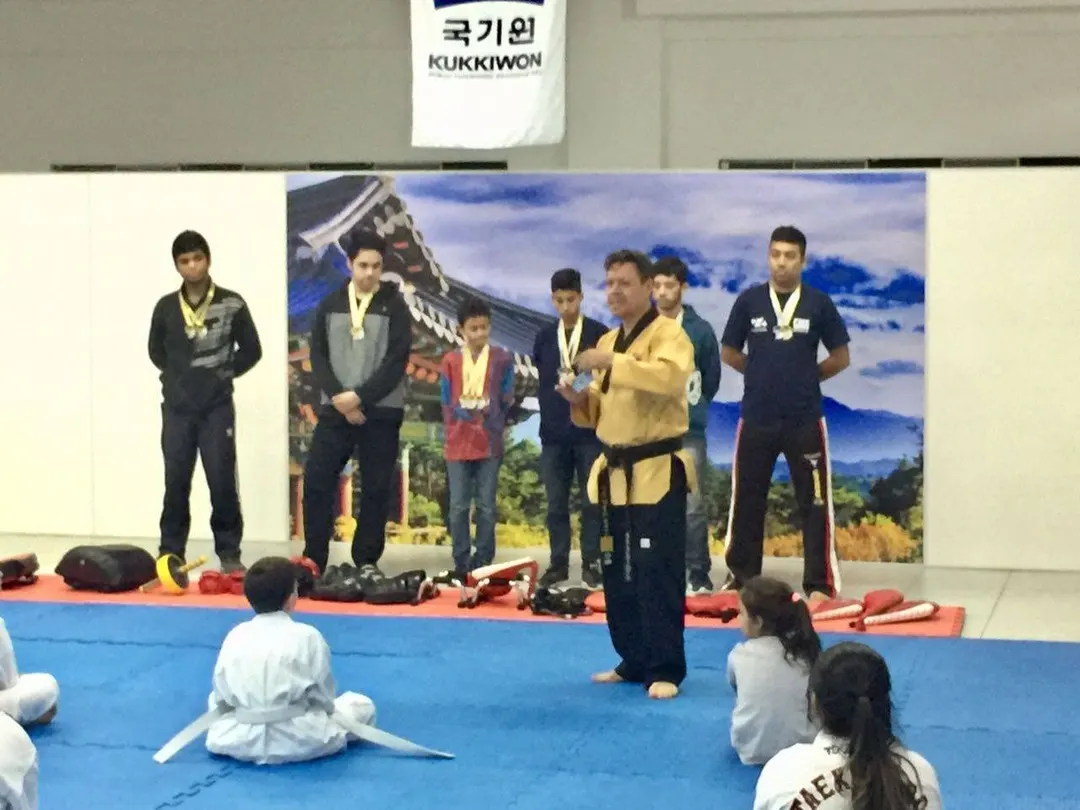
To get a company to sponsor a sports project in Brazil, you need to arrive at the meeting with three things: the right legal path for that company, the real cost of the support to its cash flow and a project it can explain to its customers. This is how organizations and companies in Brazil do it; readers abroad do not pay tax in Brazil, but the guide shows how local sport is funded. In Santa Catarina, the strongest path is PIE/SC (Santa Catarina’s Sports Incentive Program), which turns ICMS (the state tax on goods and services) into sport at no net cost to the company. This article shows the three paths, what to bring and what never to promise.
The three paths
| Path | For which company | Cost to the company | Law |
|---|---|---|---|
| PIE/SC | Santa Catarina company that pays regular ICMS, authorized in SAT | Zero: the amount becomes an ICMS presumed credit | Decree No. 880/2025, art. 470 |
| Sports Incentive Law | Company under lucro real (actual-profit regime), in any state | Zero up to 2% of IRPJ (4% for social inclusion), with LC 224’s 90% | LC 222/2025, art. 9 |
| Direct sponsorship | Any company, including Simples Nacional | Marketing expense, no special deduction | Contract between the parties |
There is also the FIA (the municipal children’s and adolescents’ fund): a lucro real company deducts up to 1% of its IRPJ (corporate income tax) under the ECA (Brazil’s Child and Adolescent Statute), art. 260, I, but the money goes to the city fund, and the council decides on the project.
Path 1: PIE/SC
Decree No. 880/2025 allows a company to transfer part of its ICMS to projects approved by FESPORTE, Santa Catarina’s state sports foundation, and receive a presumed credit for the same amount. The limit depends on revenue: 15% of ICMS for companies between R$ 4.8 million and R$ 19.2 million; 10% up to R$ 38.4 million; 7% above that. The company needs prior authorization in SAT (the state tax authority’s online system) and a tax clearance certificate.
What to bring: the project approved by FESPORTE, the fundraising letter and the accountant’s checklist. The company pays nothing extra; it only chooses where part of its tax goes.
Path 2: the Sports Incentive Law
LC 222/2025, art. 9, allows lucro real companies to deduct up to 2% of their IRPJ in 2026 and 2027. For that, the project needs an approval act from the Ministry of Sport and a dedicated account. If your project does not have these, do not offer this path.
Path 3: direct sponsorship
Companies under Simples Nacional (the simplified regime for small businesses) or lucro presumido (the presumed-profit regime) deduct nothing. What they buy is brand exposure: a logo on the uniform, presence at competitions, content for their social media. Treat it as selling visibility, with a contract and clear benefits. See Simples and presumed profit.
What to bring to the meeting
- A one-page summary: what the project does, for whom, where and for how long.
- Figures: children served, schools, years of activity, competitions, results.
- Real photos of training and competition.
- The legal path for that company, already identified: ask beforehand whether it is under lucro real, presumido or Simples and whether it pays regular ICMS.
- The real cost in one sentence: “under PIE, the amount comes out of the ICMS you already pay; it does not come out of your cash.”
- Benefits: what the brand gets, with logo size, events and posts.
- Documents: approved project, fundraising letter, CNPJ (company taxpayer ID), clearance certificates, dedicated account.
- A step by step for the accountant, ready to forward.
An example with round numbers
A manufacturer in Balneário Camboriú has revenue of R$ 10 million a year and pays R$ 50,000 in ICMS a month. Under PIE/SC, up to 15% fits: R$ 7,500 a month, R$ 90,000 a year. That amount goes to the project and comes back as a presumed credit. For the company, zero cost; for the project, a year of classes in two schools. See the full calculation in PIE/SC limit.
What never to promise
- That the company deducts income tax by supporting a project that is only under PIE/SC.
- That Simples Nacional companies deduct anything.
- That the incentive covers 100% without looking at the decree’s limits and caps.
- That the project is approved when it is still under review.
- A deduction for an individual partner to support the project of their own company: LC 222, art. 5, prohibits incentives for related parties.
Delivering what you promise is what secures the second year of sponsorship.
Common mistakes
- Asking for money without knowing the company’s tax regime.
- Bringing the whole 40-page project instead of a summary.
- Not having defined benefits.
- Forgetting to report back to the sponsor: photos, report, invoice.
- Treating the first meeting as the last: sponsorship is built on relationships.
What about Muaythai in Balneário Camboriú?
The Projeto Campeões do Futuro (“Future Champions”), Mestre Paulo Ribeiro’s free project for children after school hours, is the story a company can tell its customers: free classes at branches such as EEB João Goulart and the São Judas neighborhood, in partnership with the city’s Social Inclusion Department. Campeões do Futuro and FECAMTT, the Santa Catarina Traditional Muaythai Federation, do not receive income tax. Muaythai nas Escolas (“Muaythai in Schools”) is under PIE/SC, which is path 1 in this article: see Muaythai nas Escolas.
If you are a Santa Catarina company, this is the ask: part of your ICMS, at no net cost, becomes Muaythai in schools. The ways to help are on the Support page.
What to do today
- List five companies in your city and find out each one’s tax regime.
- Prepare the summary page and the benefits spreadsheet.
- For Santa Catarina companies paying ICMS, bring the PIE fundraising letter.
- Book the meeting and bring the step by step for the accountant.
This is how companies in Brazil do it. If you live abroad, you do not pay tax in Brazil, but you can still support the project: want to know how Muaythai nas Escolas presents itself to companies, or how you can help? Talk to the Mestre.
This content is for information only and does not replace advice from your accountant. Rules may change: always check the wording currently in force.
Frequently asked questions
What is the best way to ask a Santa Catarina company for support?
PIE/SC (Santa Catarina’s Sports Incentive Program), if the project is approved by FESPORTE and the company pays regular ICMS. The company transfers up to 15%, 10% or 7% of its ICMS depending on revenue and receives a presumed credit.
What if the company is under Simples Nacional?
There is no tax incentive. The path is direct sponsorship, as a marketing expense, or a donation without deduction.
What should I bring to the meeting?
The approved project with its number and deadline, the fundraising letter, the budget, brand benefits, past results with photos and figures, and the step by step for the accountant.
What should I never promise?
A deduction the law does not give. Never say the company deducts Imposto de Renda (income tax) by supporting a project that is only under PIE/SC, or that Simples Nacional companies get a deduction.
Sources
Want to support the project?
See how companies and people in Brazil support sport through their taxes, or talk directly to the Master.
Read next
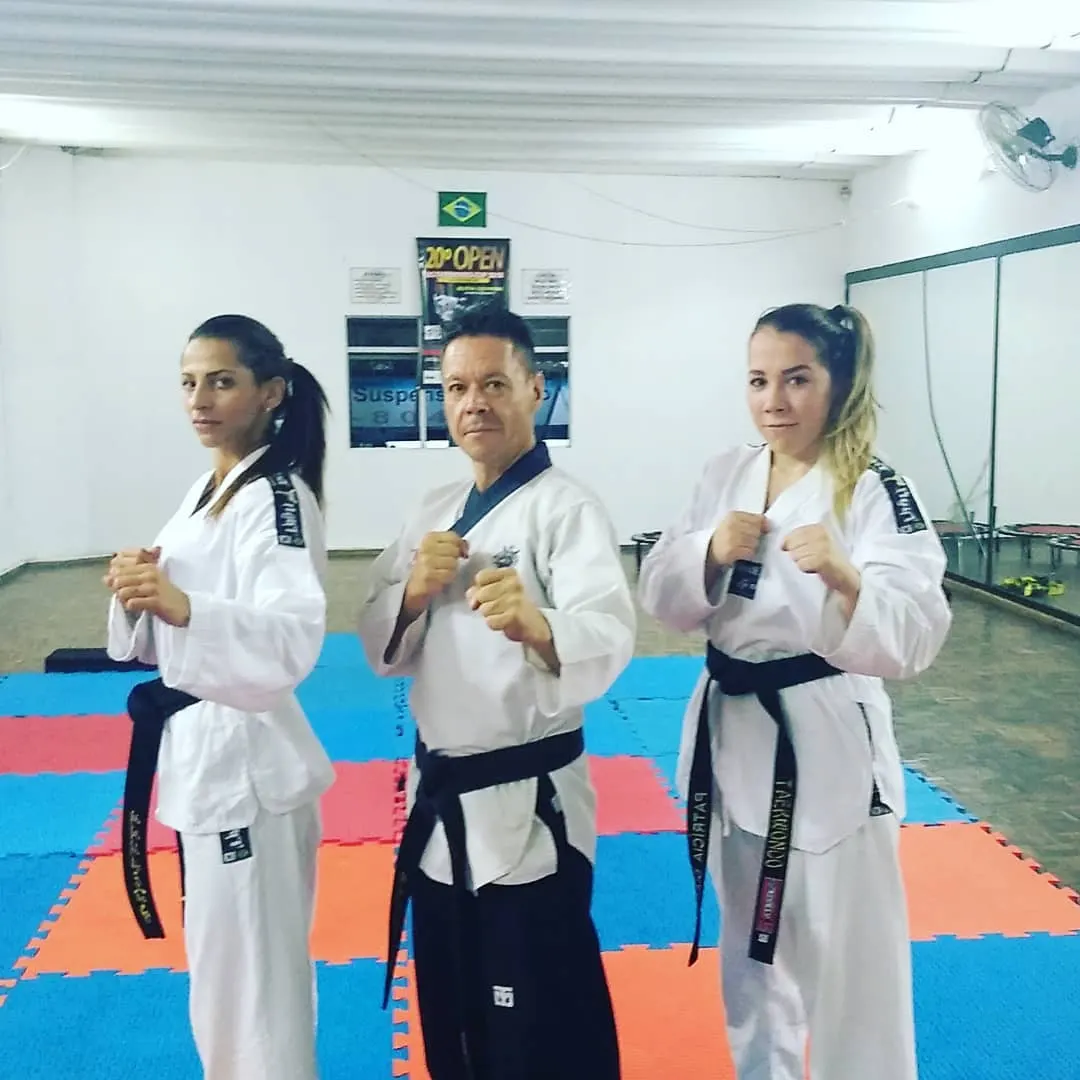
State public utility status: what the title gives a federation
FECAMTT received state public utility status under Law 19,281/2025. What it means, what it does not mean and how a federation applies.
· 8 min read
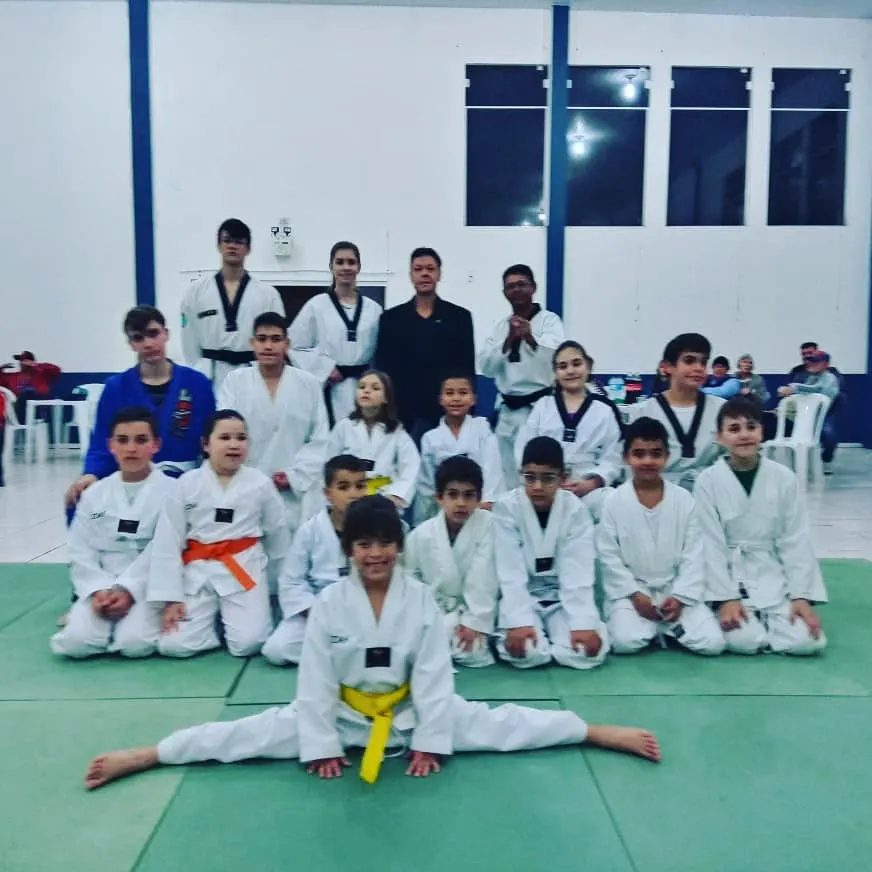
After-school sports in Brazil: what the law supports and how it works
After-school sports in Brazil: how the Sports Incentive Law, PIE/SC and Fundesporte treat projects for children, with a Balneário Camboriú example.
· 5 min read
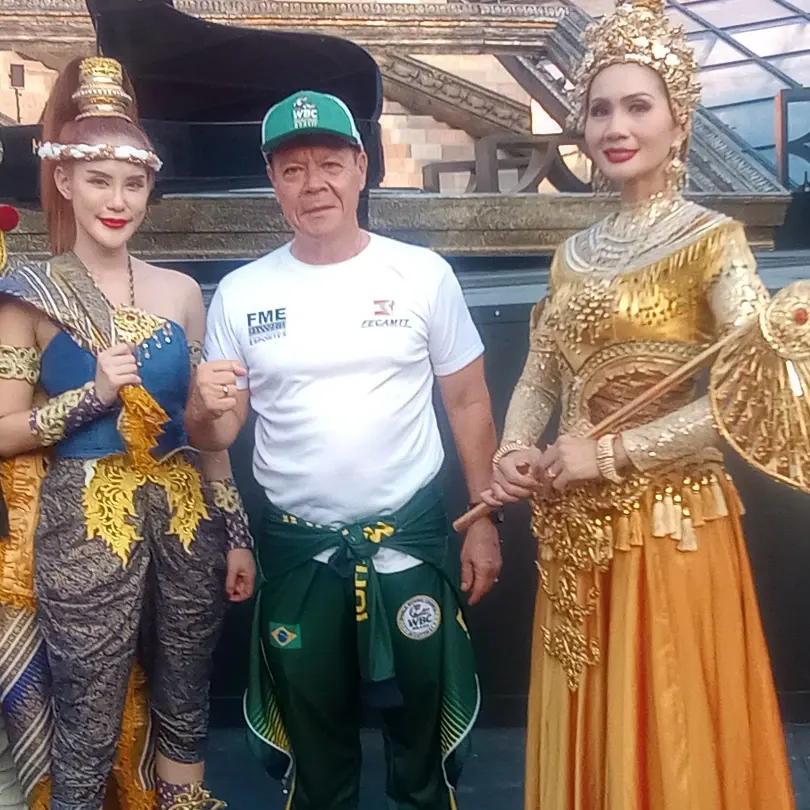
Athlete Grant (Bolsa Atleta) in Balneário Camboriú: how it works
Bolsa Atleta in Balneário Camboriú, Brazil: a city athlete grant restructured by Law 4,081/2025, paid in 12 installments. 2026 amounts and how to apply.
· 5 min read