Social inclusion projects: the 4% of the Sports Incentive Law
Social inclusion projects under Brazil’s Sports Incentive Law: actual-profit companies deduct up to 4% of IRPJ, shared with Rouanet. LC 222 rule.
A social inclusion project is the category of the Lei de Incentivo ao Esporte (Brazil’s federal Sports Incentive Law) that allows companies under lucro real (actual profit regime) to deduct up to 4% of IRPJ (corporate income tax) due, instead of the usual 2% in 2026. The limit is in art. 9, § 4, of LC 222/2025, a Lei Complementar (complementary law), and it is shared with the Lei Rouanet (the federal culture incentive law) and the Lei do Audiovisual (the federal audiovisual incentive law). This is how companies in Brazil do it; readers abroad do not pay tax in Brazil, but the rule explains why social projects attract Brazilian sponsors. This article explains what falls into this category, who can use it and how to do the math.
What the law calls social inclusion
LC 222, art. 6, organizes projects into levels. There are three: sports training, sports excellence and lifelong sport. § 1 adds social inclusion projects: in the law’s words (our translation), those “intended to promote social inclusion through sport, preferably in socially vulnerable communities”. Decreto nº 12.861/2026, a federal decree, details the levels and the classification criteria in art. 5.
The classification is made by the Ministry of Sport at approval. The applicant does not declare itself a “social inclusion” project; the approval act does.
The 4% limit and who it is shared with
Art. 9, § 1, I, of LC 222 sets 3% of IRPJ due for lucro real companies, with 2% until 2027 (art. 23). § 4 opens a higher band:
- up to 4% of IRPJ due for social inclusion projects;
- this limit is shared with the deductions under the Lei Rouanet, art. 26, and the Lei do Audiovisual.
In other words, a company that already uses the Rouanet under art. 26 must fit both within the 4%. Decreto nº 12.861, art. 2, § 2, repeats the rule.
LC 224/2025, art. 4, § 4, V, requires applying 90% of tax reductions. Under the most common reading, the 4% becomes 3.6%. See LC 224 and the cut and confirm with your accountant.
An example with round numbers
A lucro real company with R$ 500,000 of IRPJ due in 2026:
- Ordinary sports project: 2% = R$ 10,000 (R$ 9,000 with the 90% from LC 224).
- Social inclusion project: 4% = R$ 20,000 (R$ 18,000 with the 90%).
- If the company has already given R$ 8,000 through the Rouanet, art. 26: R$ 12,000 is left for sports within the 4% (R$ 10,000 with the 90%).
The difference between an ordinary project and a social inclusion project is twice the deduction. For the company, that means doubling its support without touching its cash.
What does not change
- Individuals: 7% for any sports project, combined with the funds and culture (art. 9, § 1, II). There is no 4% and no extra band for social inclusion.
- Lucro real is still the requirement. Simples Nacional (the simplified regime for small businesses) and lucro presumido (presumed profit regime) do not deduct. See Simples and presumed profit.
- It is not deducted from taxable profit or from CSLL (social contribution on net profit) (art. 9, § 2).
- Prohibited ties (art. 5): a project from an affiliated company or from a partner’s relative generates no deduction.
How a company uses the 4%
- Check the estimated IRPJ due with your accountant, and the 4% base with the 90%.
- Search the Ministry of Sport list for projects classified as social inclusion. See approved projects.
- Add up what the company already uses under the Rouanet (art. 26) and audiovisual.
- Make the sponsorship or donation into the project’s dedicated account (art. 11).
- Keep the receipt and record the deduction when calculating IRPJ.
Common mistakes
- Adding 2% + 4% and thinking you have 6%: the 4% is the ceiling for social inclusion, not an addition.
- Forgetting to count the art. 26 Rouanet within the 4%.
- Calling a project social inclusion when the approval act classifies it at another level.
- Applying the 4% to individuals.
- Ignoring the 10% cut from LC 224 when planning.
And Muaythai in Balneário Camboriú?
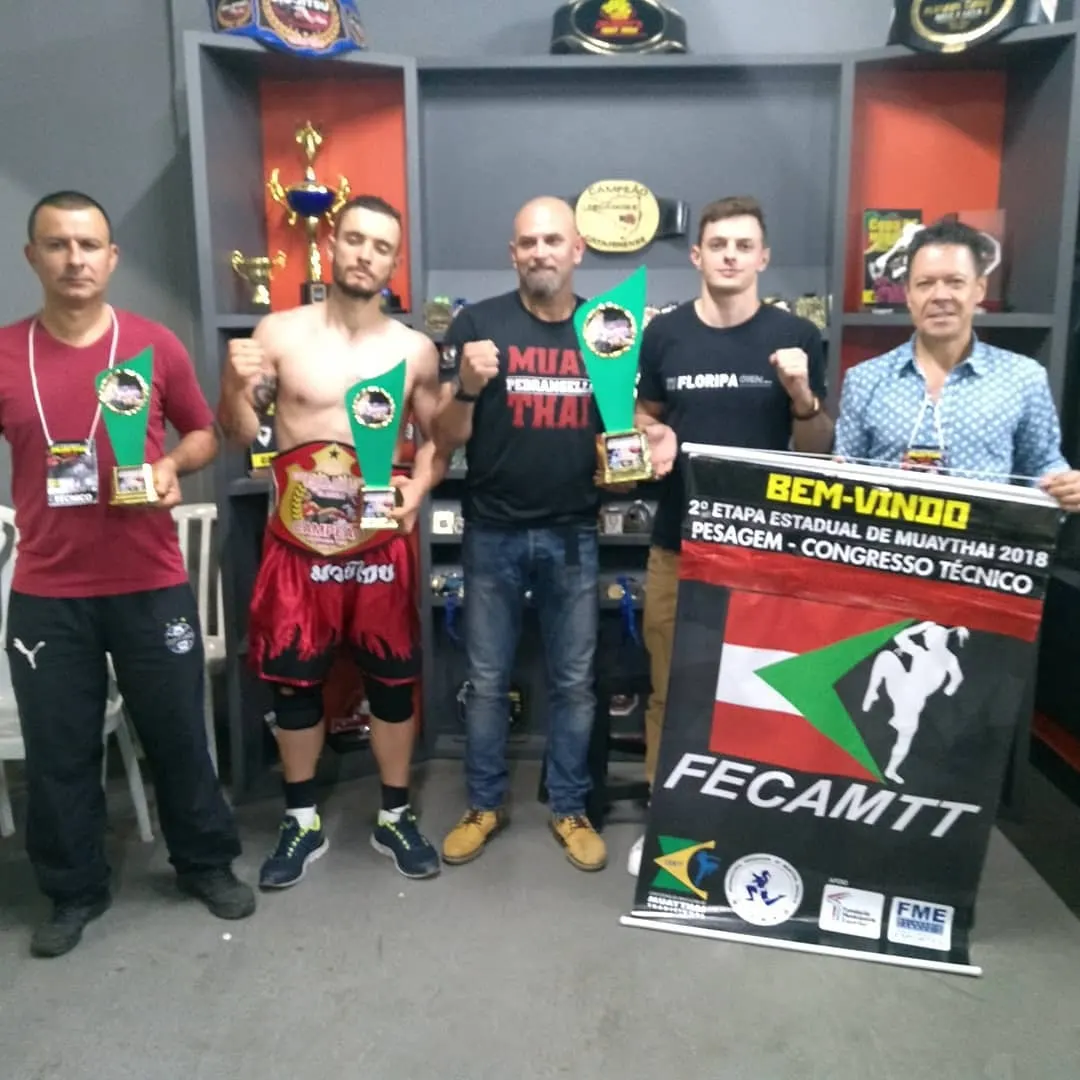
Projeto Campeões do Futuro (“Future Champions”), Mestre Paulo Ribeiro’s free project for children after school hours, has everything the law calls social inclusion: it is free, it serves children at sites such as EEB João Goulart and EEB Higino João Pio, and in 2019 it partnered with the city’s Social Inclusion Department. Even so, Campeões do Futuro and FECAMTT, the Santa Catarina Traditional Muaythai Federation, have no project approved under the federal law and do not receive Imposto de Renda (income tax). Muaythai nas Escolas (“Muaythai in Schools”) is under PIE/SC (Santa Catarina’s Sports Incentive Program), which uses ICMS (state tax on goods and services) from Santa Catarina companies: see Muaythai nas Escolas.
For Santa Catarina companies, PIE/SC is the real path to support Muaythai in schools. For companies in other states, the federal list has social inclusion projects all over the country. The paths are on the Support page.
How to do it today
- Ask your accountant for the estimated IRPJ due and confirm whether the company is under lucro real.
- Calculate 4% and subtract what already goes to the Rouanet.
- Choose a project classified as social inclusion and check the act.
- If the company is in Santa Catarina, compare it with PIE/SC.
This is how companies in Brazil do it. If you live abroad, you do not pay tax in Brazil, but you can still support the project. Want to understand how a company can support Muaythai in schools through PIE? Talk to the Mestre.
This content is for information only and does not replace advice from your accountant. Rules may change: always check the wording currently in force.
Frequently asked questions
What is a social inclusion project under the Sports Incentive Law?
It is a project classified under art. 6, § 1, of LC 222/2025 as aimed at social inclusion through sport, which gives companies a higher deduction limit.
What is the limit for companies?
Up to 4% of IRPJ (corporate income tax) due, under art. 9, § 4, of LC 222/2025, shared with the Lei Rouanet (art. 26) and the Lei do Audiovisual. LC 224/2025 requires applying 90%: check with your accountant.
Do individuals get 4%?
No. Individuals still have 7% for all sports projects, at any level, combined with the funds and culture.
Can Simples Nacional companies use the 4%?
No. The limit is only for companies taxed under lucro real (actual profit regime).
Sources
Want to support the project?
See how companies and people in Brazil support sport through their taxes, or talk directly to the Master.
Read next
State public utility status: what the title gives a federation
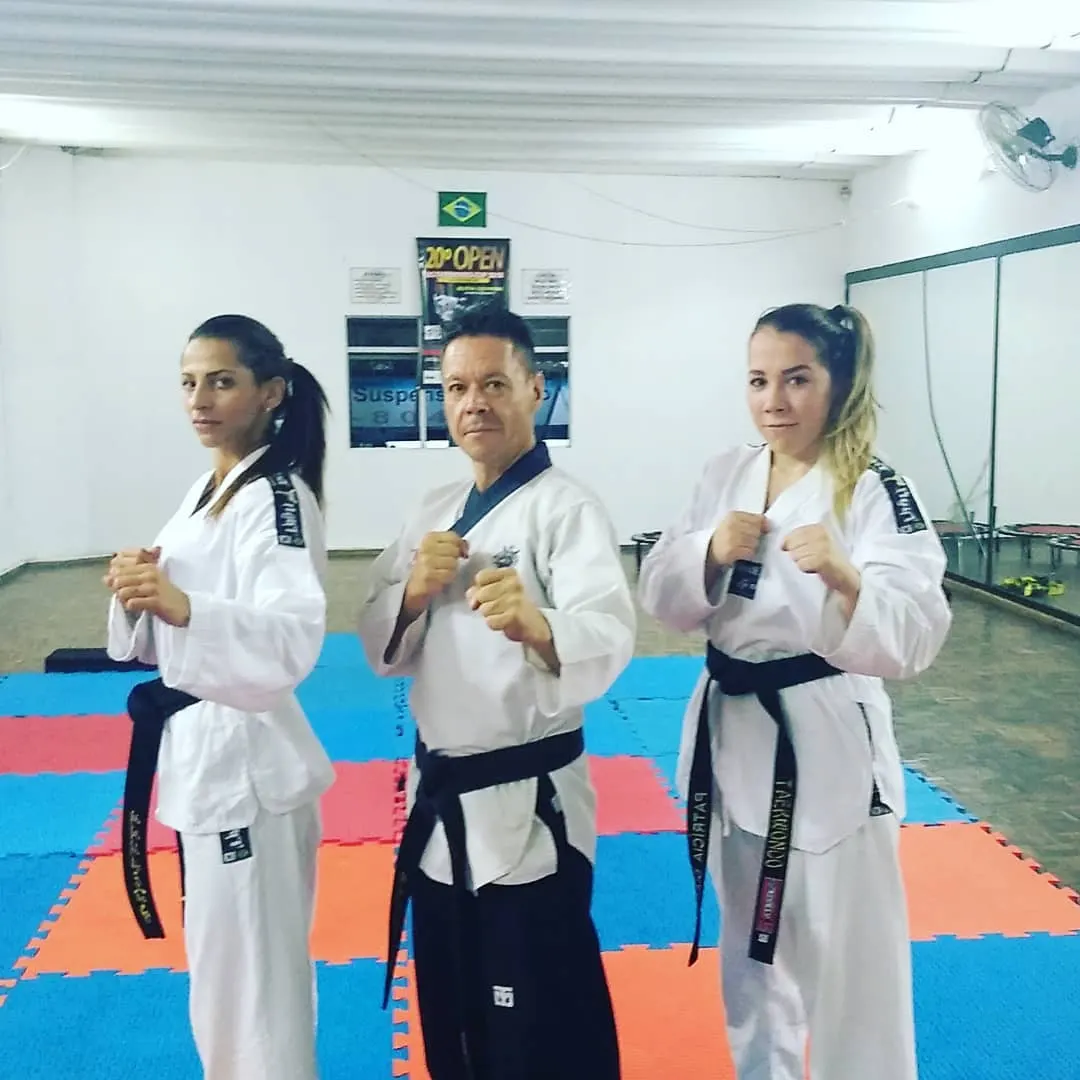
FECAMTT received state public utility status under Law 19,281/2025. What it means, what it does not mean and how a federation applies.
· 8 min read
After-school sports in Brazil: what the law supports and how it works
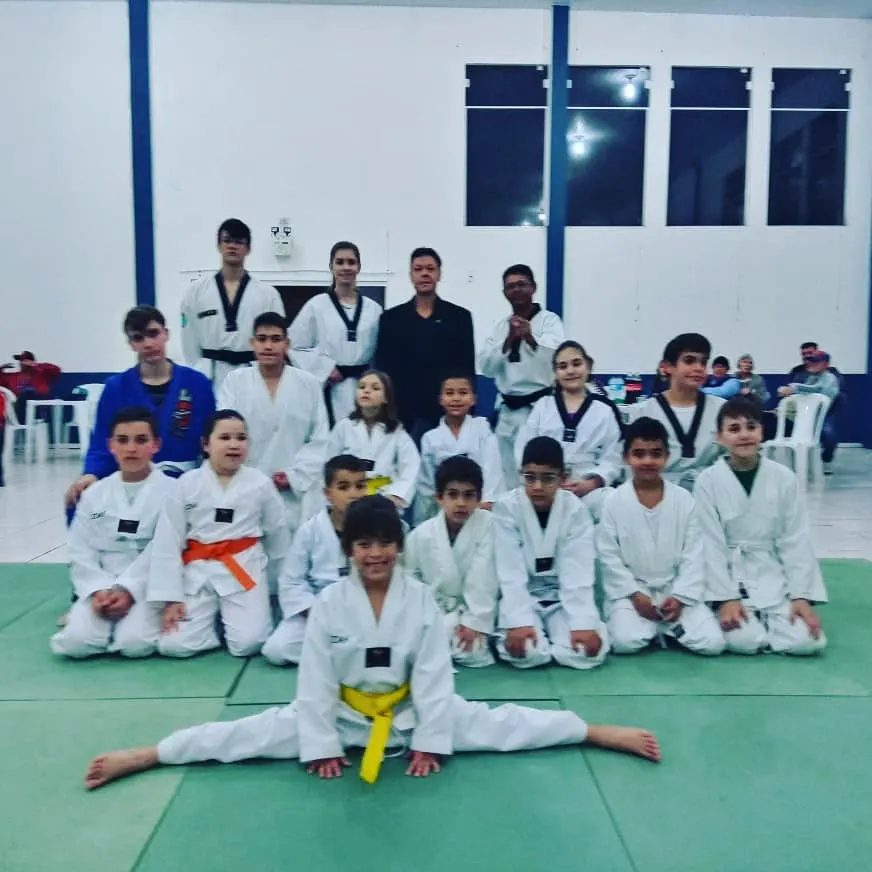
After-school sports in Brazil: how the Sports Incentive Law, PIE/SC and Fundesporte treat projects for children, with a Balneário Camboriú example.
· 5 min read
How to get corporate sponsorship for a sports project in Brazil
How to get company sponsorship for a sports project in Brazil: PIE/SC, the Sports Incentive Law or direct sponsorship, what to bring, what not to promise.
· 5 min read