Approved projects under the Sports Incentive Law: how to check
Approved projects under Brazil’s Sports Incentive Law: where to look them up, what the approval act must contain and how to check before donating.
An approved project under the Lei de Incentivo ao Esporte (Brazil’s federal Sports Incentive Law) is one with an official approval act published by the Ministry of Sport, stating the title, the responsible institution, the authorized amount and the fundraising deadline, as required by LC 222/2025, a Lei Complementar (complementary law), in art. 10. Only donations to these projects can be deducted from Imposto de Renda (income tax). This is how taxpayers in Brazil do it; readers abroad do not pay tax in Brazil, but the same checks help anyone tell a serious project apart. This article shows where to find the list, what to check and how to read the act before donating.
What makes a project “approved”
LC 222 requires three things:
- An eligible applicant: a non-profit legal entity or an educational institution, with a sports purpose (art. 4).
- An official approval act: published with the title, institution, amount and fundraising deadline (art. 10). The applicant cannot raise more than the amount or outside the deadline.
- A dedicated account: at Banco do Brasil or Caixa Econômica Federal, one per project (art. 11).
Decreto nº 12.861/2026, a federal decree, details the review: art. 22 sets the evaluation criteria; art. 23 limits it to six projects per applicant per year; art. 12 caps administrative expenses at 15% of the project.
Project levels
LC 222, art. 6, and Decreto nº 12.861, art. 5, classify projects into levels. The one that matters most to anyone thinking about children is sports training, aimed at children and teenagers and their all-round development. Art. 18 of the decree requires sports training projects to have at least 50% of their students from public schools.
There is also the social inclusion level, which allows companies to deduct up to 4% (LC 222, art. 9, § 4). See social inclusion projects.
Art. 6, § 2, prohibits using the incentive to pay professional athletes’ salaries.
Where to look up the list
The Ministry of Sport keeps the list of approved projects on its website, gov.br/esporte, in the Sports Incentive Law section. We do not reproduce the list here because it changes every week and because the exact address of the search page may change.
General path:
- Search for “projetos aprovados Lei de Incentivo ao Esporte” with the year.
- Open the result on the gov.br domain.
- Look for the search by applicant name, project name, state or city.
- Write down the approval act number, the authorized amount and the fundraising deadline.
If the search is not available, ask the applicant for the published act. A serious organization has the document at hand.
How to read the approval act
The act is short, but each field answers one of your questions:
- Project title: this is the name that will appear on the receipt. If the receipt shows another name, something is wrong.
- Responsible institution: check that the CNPJ (Brazilian company tax ID) is the same as on the account receiving the deposit.
- Amount authorized for fundraising: this is the ceiling. Once the project reaches that amount, it cannot receive more (art. 10 of LC 222).
- Fundraising deadline: this is the last day for donations. A deposit made one day later becomes an ordinary donation.
An example. The act says: “Project X, Association Y, authorized amount R$ 300,000, fundraising deadline December 31”. If the association has already raised R$ 290,000, it can only receive R$ 10,000 more. If you want to donate R$ 700 on December 20, it fits. If you want to donate on January 5, it does not.
Approved does not mean funded
Approval is permission to raise funds, not money in the bank. A project approved for R$ 300,000 may reach its deadline with R$ 20,000 raised, and then it carries out only what it raised, or nothing at all. That is why the applicant has to go after donors and sponsors after approval.
This explains why small organizations, such as FECAMTT, the Santa Catarina Traditional Muaythai Federation, start with state programs: under PIE/SC (Santa Catarina’s Sports Incentive Program), funds are raised from companies that pay ICMS (state tax on goods and services) in Santa Catarina, that is, from the organization’s own region. See PIE/SC: how your company turns ICMS into sport.
What to check before donating
- Fundraising deadline still open. A donation outside it is not deductible. See the deadline to donate.
- Authorized amount not yet reached. The applicant cannot raise more than the approved amount (art. 10).
- Dedicated account. The deposit goes to the project’s account, not the organization’s account.
- No ties to you. LC 222, art. 5, prohibits incentives to projects of relatives up to the third degree, a spouse or a related company.
- Receipt. See incentivized donation receipt.
An example with round numbers
A person with R$ 10,000 of imposto devido (tax due) can allocate up to R$ 700 across sports and the funds combined. They find a sports training project with an authorized amount of R$ 300,000 and a fundraising deadline at the end of the year. They check the act, deposit R$ 700 into the dedicated account, get the receipt and keep it. On the following year’s modelo completo (full itemized return), they subtract the R$ 700 from their tax.
Common mistakes
- Trusting an “approved project” claim made by word of mouth, without seeing the act.
- Confusing approval under a state law (such as PIE/SC) with federal approval.
- Donating to a project whose deadline has passed.
- Donating to the organization’s general account.
- Thinking the organization must be a “federation” or a “club”: associations and schools can apply too.
Is Muaythai in Balneário Camboriú on the list?
No. Projeto Campeões do Futuro (“Future Champions”), Mestre Paulo Ribeiro’s free project for children after school hours, and FECAMTT have no project approved under the Sports Incentive Law and do not receive Imposto de Renda. Muaythai nas Escolas (“Muaythai in Schools”) is under PIE/SC, a state program that uses ICMS from Santa Catarina companies: see Muaythai nas Escolas and Muaythai nas Escolas under PIE.
We say this so that no one donates expecting a receipt that does not exist. The real paths for individuals are the FIA of Balneário Camboriú, the city’s Children and Adolescents Fund, and the projects on the federal list. The paths are on the Support page.
How to do it today
- Find the list on the Ministry of Sport website and filter by sports training in your state.
- Choose a project and ask the applicant for the approval act.
- Check the deadline, the amount and the dedicated account.
- Donate from your own account and ask for the receipt.
This is how taxpayers in Brazil do it. If you live abroad, you do not pay tax in Brazil, but you can still support the project. Want to know what Campeões do Futuro needs beyond tax? Talk to the Mestre.
This content is for information only and does not replace advice from your accountant. Rules may change: always check the wording currently in force.
Frequently asked questions
Where can I see the projects approved under the Sports Incentive Law?
On the Ministry of Sport website (gov.br/esporte), in the Sports Incentive Law section, and in the official publications of the approval acts. Search for “projetos aprovados Lei de Incentivo ao Esporte” with the year.
What must the approval act contain?
Under LC 222/2025, art. 10: the project title, the responsible institution, the amount authorized for fundraising and the fundraising deadline.
Can any organization have a project approved?
The applicant must be a non-profit legal entity or an educational institution, with a sports purpose (LC 222, art. 4). Individuals cannot.
How many projects can an organization have per year?
Decreto nº 12.861/2026, art. 23, limits it to six projects per applicant per year.
Is Campeões do Futuro on the list?
No. Campeões do Futuro and FECAMTT have no project approved under the federal law. Muaythai nas Escolas is under PIE/SC, a state ICMS program.
Sources
Want to support the project?
See how companies and people in Brazil support sport through their taxes, or talk directly to the Master.
Read next
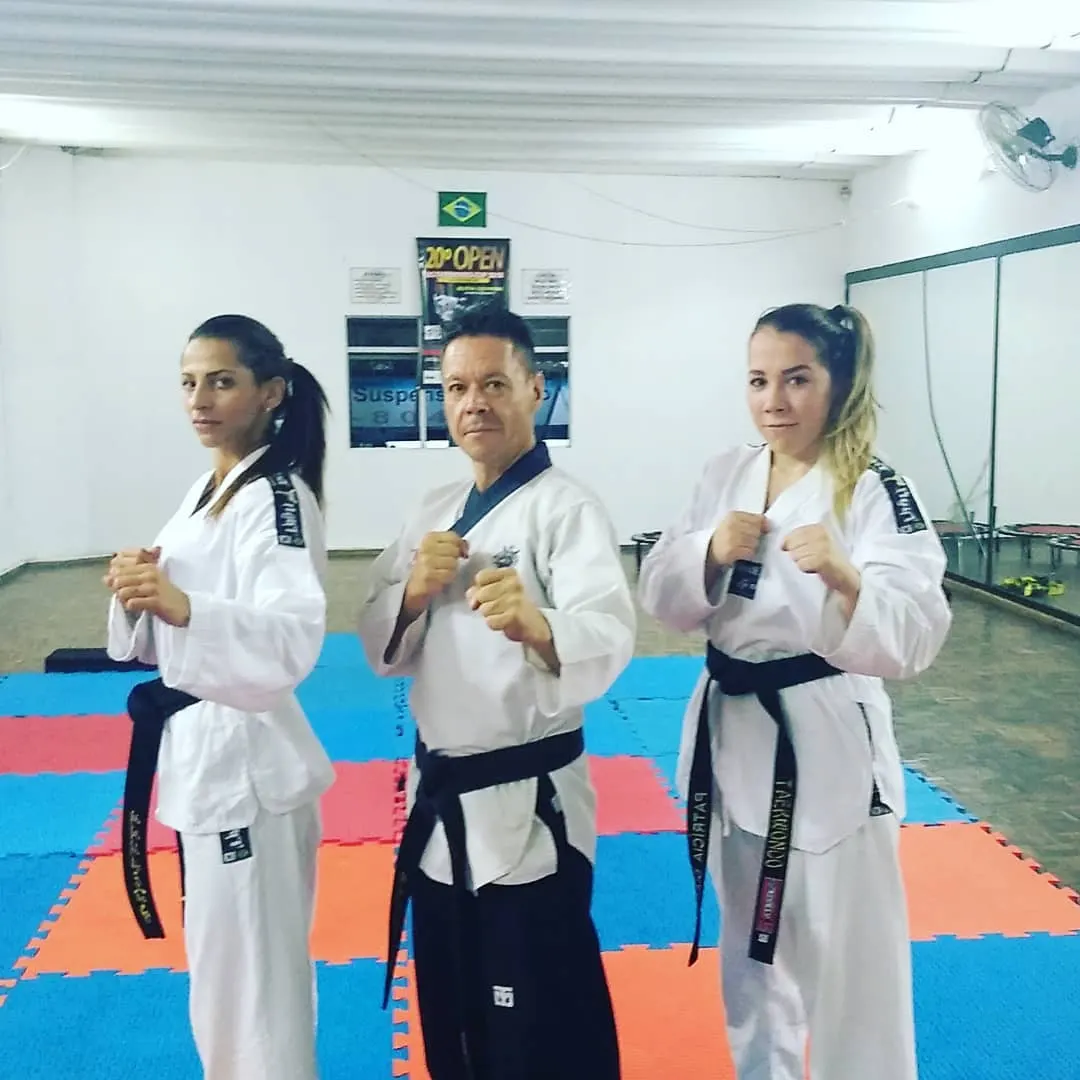
State public utility status: what the title gives a federation
FECAMTT received state public utility status under Law 19,281/2025. What it means, what it does not mean and how a federation applies.
· 8 min read
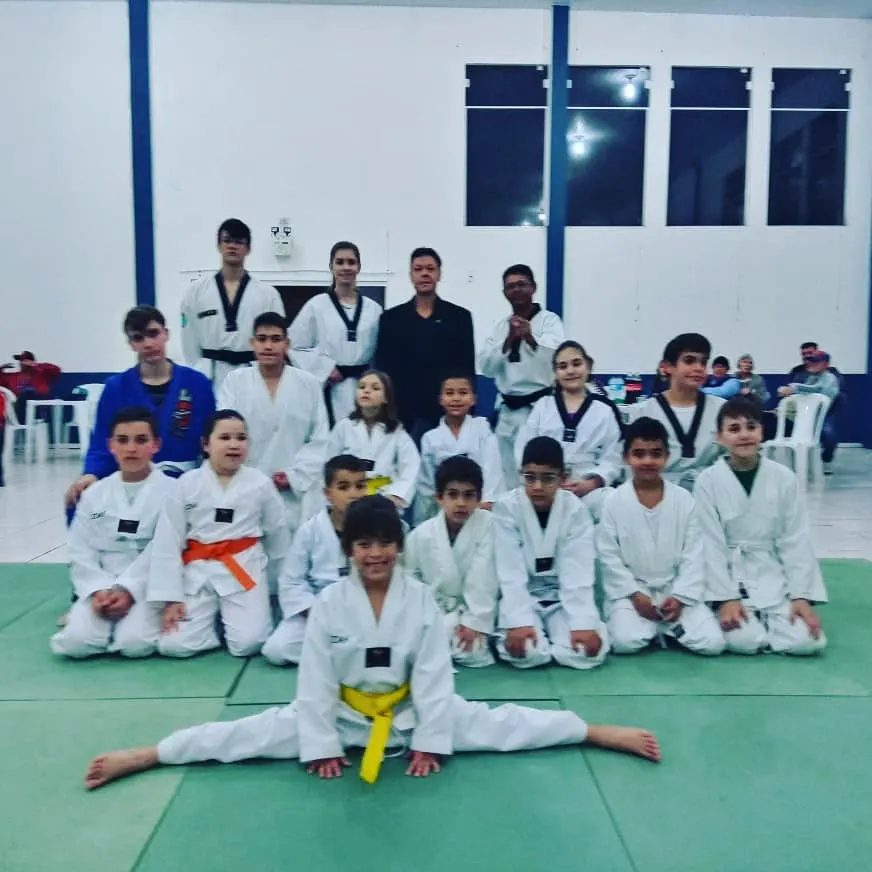
After-school sports in Brazil: what the law supports and how it works
After-school sports in Brazil: how the Sports Incentive Law, PIE/SC and Fundesporte treat projects for children, with a Balneário Camboriú example.
· 5 min read
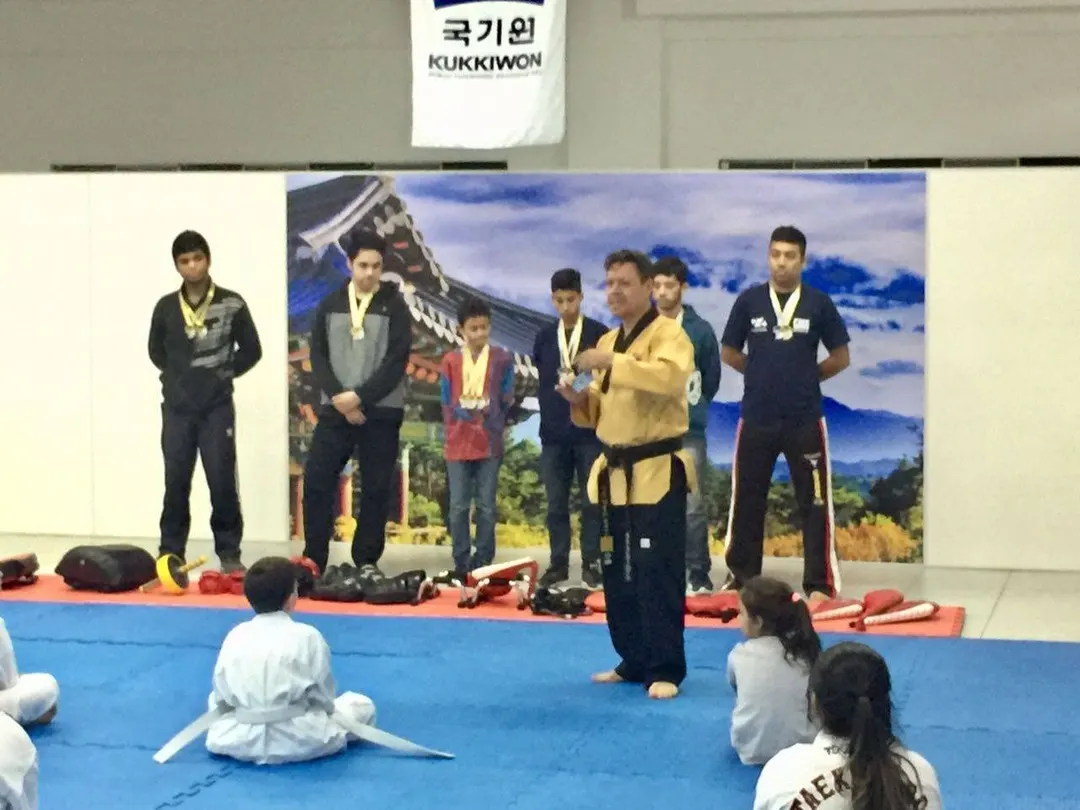
How to get corporate sponsorship for a sports project in Brazil
How to get company sponsorship for a sports project in Brazil: PIE/SC, the Sports Incentive Law or direct sponsorship, what to bring, what not to promise.
· 5 min read