FIA or Sports Incentive Law: which should you choose to donate?
FIA vs. Sports Incentive Law in Brazil: limits, who receives, deadline, donating on the return and how to combine both to reach 7% of the tax.
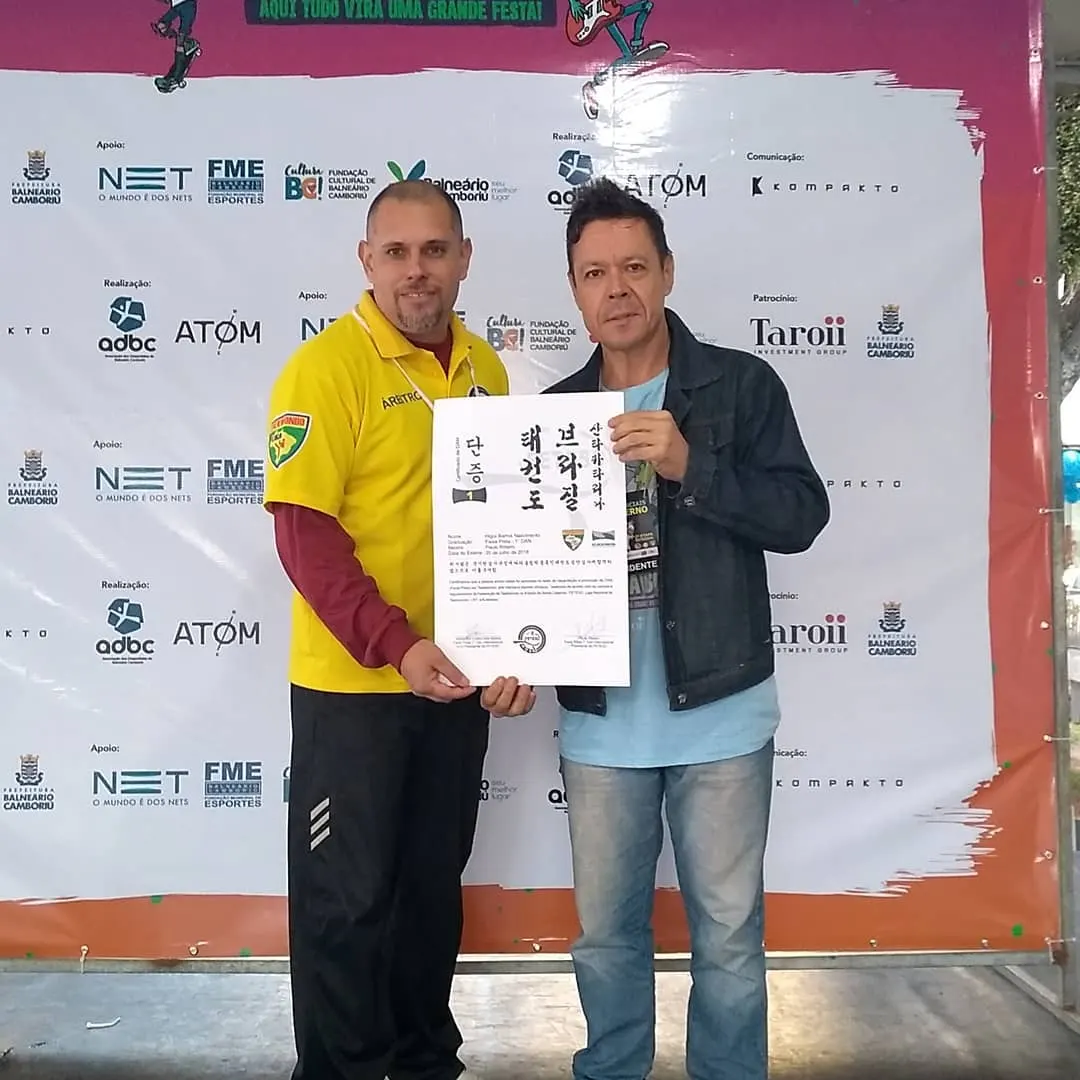
The difference between the FIA (Fundo da Infância e Adolescência, the Children and Adolescents Fund) and the Sports Incentive Law lies in the path the money takes: with the FIA, you donate to a public fund managed by a council, which distributes it to projects for children and teenagers; with the Sports Incentive Law, you deposit straight into the account of a sports project approved by the Ministry of Sport. The limits also differ: 6% of imposto devido (tax due) for the FIA and 7% in total when sport is added. This article compares the two, point by point, so you can decide and, if you wish, use both. This is how taxpayers in Brazil do it; readers abroad do not pay tax in Brazil, but the comparison shows how each route works.
Direct comparison
| Item | FIA | Sports Incentive Law |
|---|---|---|
| Law | ECA (Child and Adolescent Statute), arts. 260 to 260-L | LC 222/2025 |
| Who receives | Public fund (national, state or municipal) | Specific account of the approved project |
| Who decides how it is used | Children’s rights council | The applicant organization, within the approved project |
| Limit for individuals | 6% of tax due, shared | 7% in total, added to the FIA and the others |
| Donation on the tax return | Yes, up to 3% (art. 260-A) | No |
| Limit for companies under lucro real | 1% of IRPJ (corporate income tax) (art. 260, I) | 2% in 2026, 3% from 2028; 4% for social inclusion |
| Can you name a project | Yes, approved by the council (§ 2-A) | The project is the destination |
| Account | Fund account at a public bank (art. 260-C) | Banco do Brasil or Caixa, in the applicant’s name (art. 11) |
How the FIA works
You transfer to the fund’s account and the municipal council applies the money to projects it has approved. The ECA, in art. 260, § 2-A, allows you to name a specific project, and § 2-B lets the council keep a share for the fund. The receipt follows art. 260-D. The full guide for Balneário Camboriú is in FIA of Balneário Camboriú.
The FIA’s big advantage is donating on the tax return: those who missed the year’s deadline can still allocate up to 3% in April by paying a DARF (federal tax payment slip).
How the Sports Incentive Law works
You deposit into the specific account of an approved project, within the fundraising period published in an official act (LC 222/2025, arts. 10 and 11). The money goes to that project, and only to it. There is no option on the tax return: it has to be done by December 31. The step by step is in how to donate income tax to sport.
The advantage is precision: you know exactly which project you are funding. The drawback is that it requires planning.
How to combine the two
IN RFB nº 2.299/2025, a Receita Federal (federal tax authority) normative instruction, organized the sum:
- children, elderly, Rouanet and audiovisual: up to 6%;
- all of that plus sport: up to 7%.
Example with round numbers: someone with R$ 10,000 of tax due can donate R$ 600 to the FIA and R$ 100 to a sports project, for a total of R$ 700. Or R$ 300 to the FIA on the return and R$ 400 to sport during the year. The total always comes to 7%.
For companies under lucro real (actual profit regime), the limits are separate: 1% for the FIA and 2% for sport in 2026, with the LC 224/2025 reduction to be checked with your accountant. See sports sponsorship under lucro real.
Which to choose
- Want to support children in your city without choosing a project? FIA.
- Missed the year’s deadline? FIA or Fundo do Idoso, on the tax return.
- Want to fund a specific approved sports project? Sports Incentive Law.
- Want to use the full limit? Both: 6% to the funds and 1% to sport, or any split that adds up to 7%.
Common mistakes
- Adding 6% + 7% as if they were separate ceilings.
- Trying to donate to sport on the tax return.
- Donating directly to an organization and reporting it as FIA.
- Depositing into the sports organization’s general account instead of the project account.
- Using the simplified return.
What about Muaythai in Balneário Camboriú?
Here the comparison has a hard answer: neither route reaches Campeões do Futuro or FECAMTT, the Santa Catarina Traditional Muaythai Federation, today. Mestre Paulo Ribeiro’s free project, which has taught Taekwondo to children outside school hours for more than twenty years, is not among the FIA projects of Balneário Camboriú, and the federation has no project approved under the federal law.
What exists is Muaythai nas Escolas (“Muaythai in Schools”), approved under PIE/SC (Santa Catarina’s Sports Incentive Program), which receives ICMS (state tax on goods and services) from Santa Catarina companies. See Muaythai nas Escolas.
For individuals, the FIA is still the way to keep tax money with the city’s children, and the Sports Incentive Law is the way to support approved sports projects anywhere in the country. Both are on the Support page. This is how taxpayers in Brazil do it. If you live abroad, you do not pay tax in Brazil, but you can still support the project: to help Campeões do Futuro in other ways, talk to the Mestre.
How to do it today
- Calculate 7% and 6% of your tax due.
- Decide how to split between the fund and sport.
- For the FIA, ask the CMDCA (the municipal children’s rights council) for the account details. For sport, ask for the specific account and the project’s approval act.
- Donate by December 31; if you miss it, use the 3% on the return for the FIA.
This content is for information only and does not replace advice from your accountant. Rules may change: always check the wording currently in force.
Frequently asked questions
What is the main difference between the FIA and the Sports Incentive Law?
The FIA is a municipal, state or national public fund managed by a council, which distributes the money to projects for children and teenagers. The Sports Incentive Law sends the money straight to the account of a sports project approved by the Ministry of Sport.
Can I use both in the same year?
Yes. They share the 7% ceiling for individuals: up to 6% for the FIA, elderly funds, Rouanet and audiovisual, and the rest, up to 7%, for sport.
Which one allows donating on the tax return?
Only the FIA and the Fundo do Idoso (Elderly Fund), up to 3% (ECA, art. 260-A). Sport requires donating during the year.
Which is better for supporting Muaythai in Balneário Camboriú?
Neither reaches Campeões do Futuro or FECAMTT today: they have no project in the FIA or under the federal law. The Muaythai nas Escolas project is in PIE/SC, which uses company ICMS.
Can a company use both?
A company taxed under lucro real can deduct up to 1% for the FIA (ECA, art. 260, I) and up to 2% for sport in 2026 (LC 222/2025, art. 23), with the LC 224/2025 reduction still to be checked.
Sources
Want to support the project?
See how companies and people in Brazil support sport through their taxes, or talk directly to the Master.
Read next
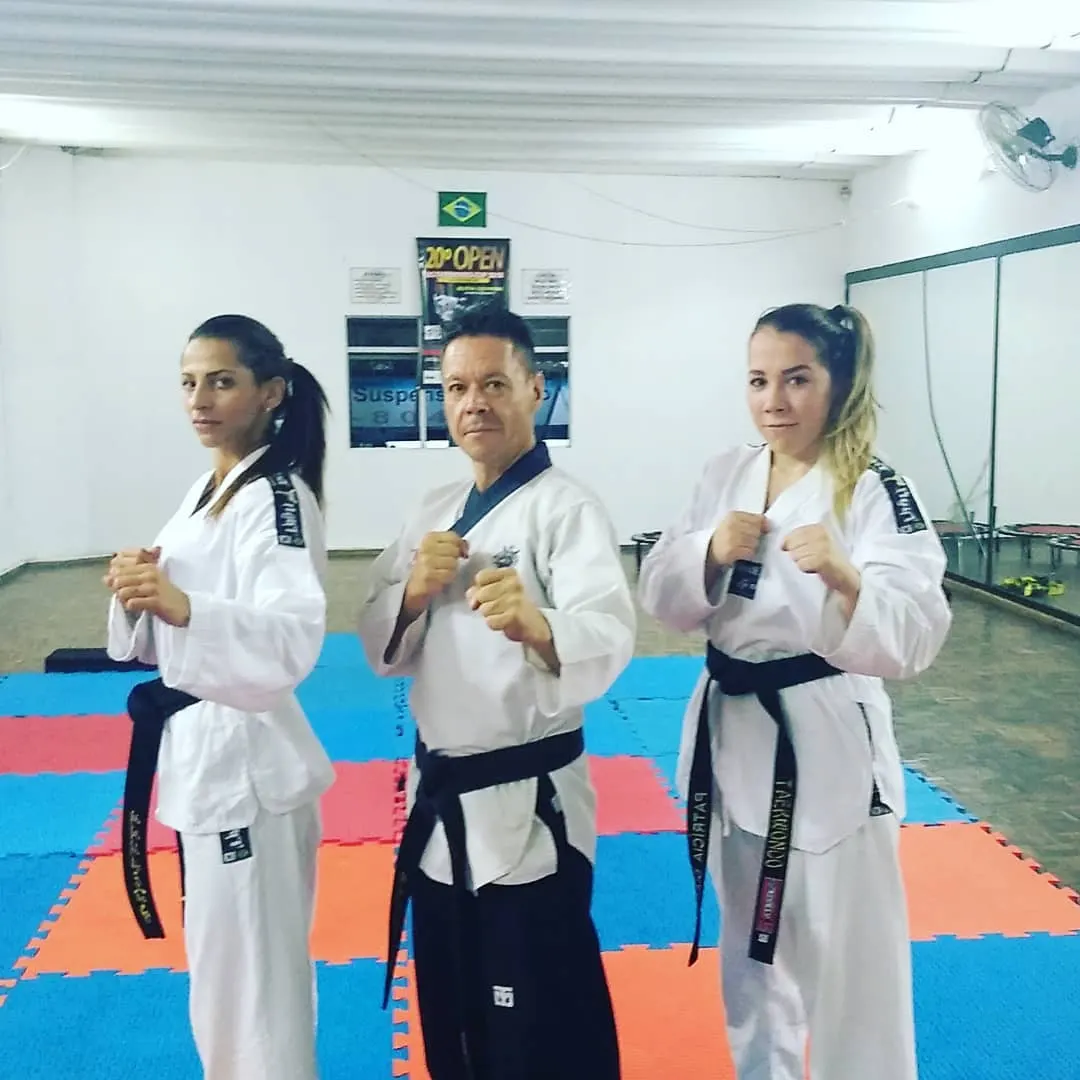
State public utility status: what the title gives a federation
FECAMTT received state public utility status under Law 19,281/2025. What it means, what it does not mean and how a federation applies.
· 8 min read
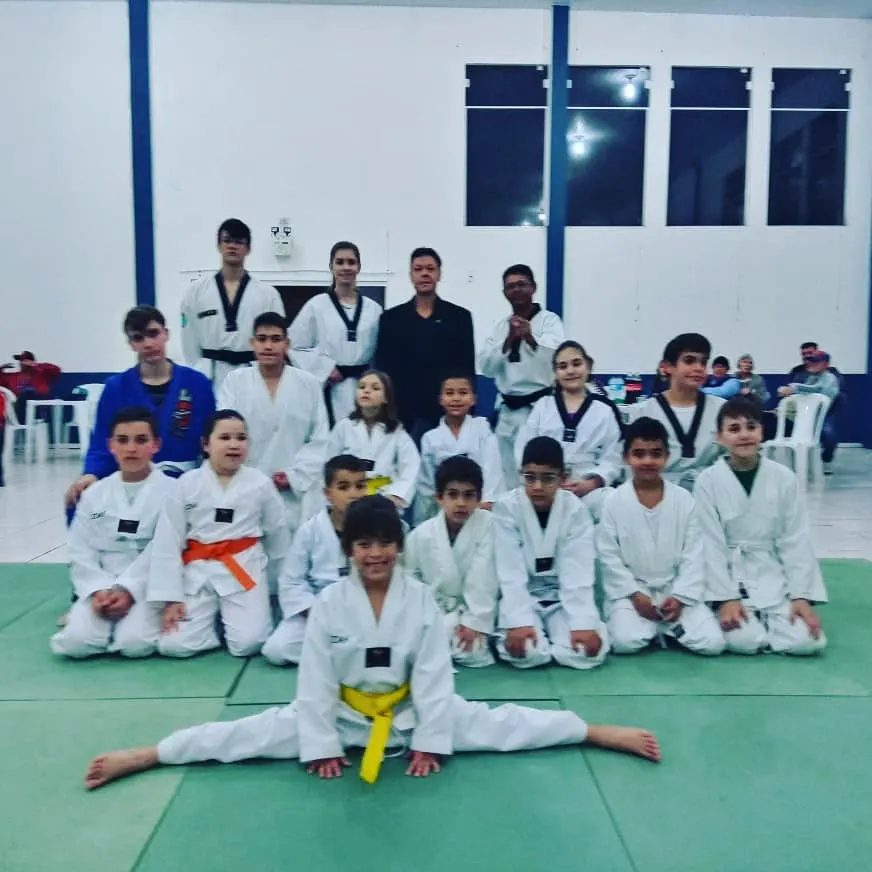
After-school sports in Brazil: what the law supports and how it works
After-school sports in Brazil: how the Sports Incentive Law, PIE/SC and Fundesporte treat projects for children, with a Balneário Camboriú example.
· 5 min read
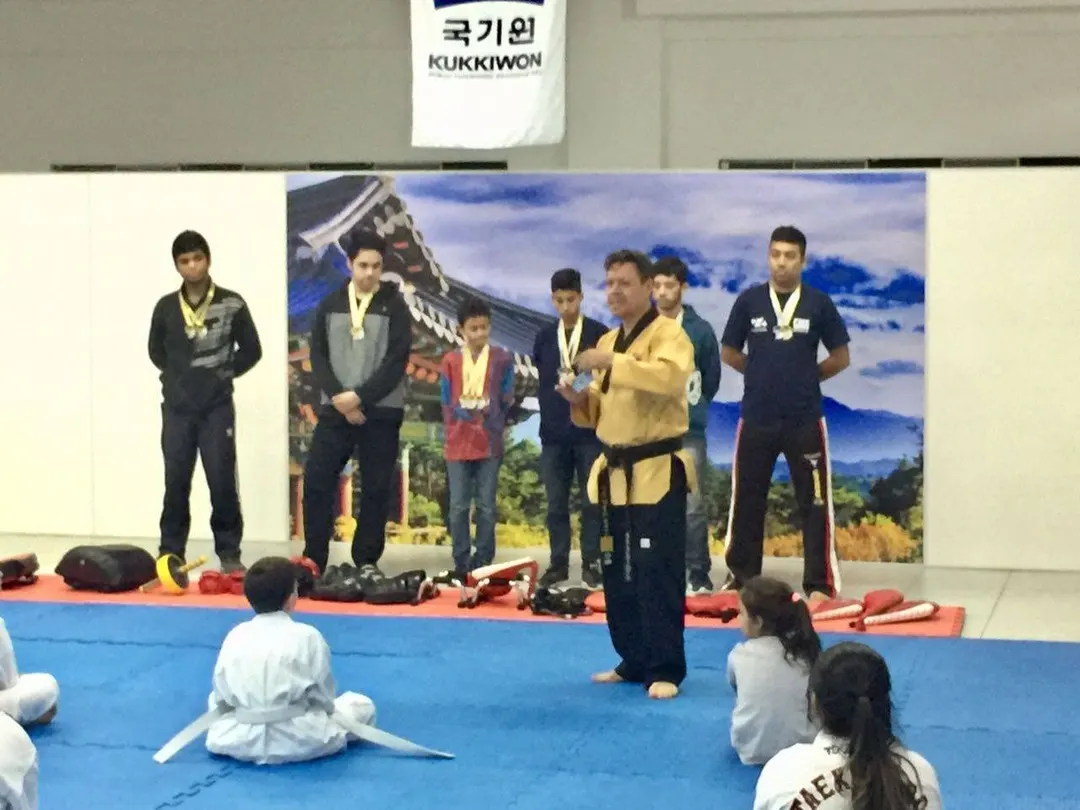
How to get corporate sponsorship for a sports project in Brazil
How to get company sponsorship for a sports project in Brazil: PIE/SC, the Sports Incentive Law or direct sponsorship, what to bring, what not to promise.
· 5 min read