Donating directly on Brazil’s tax return: how the 3% works
How to donate directly on Brazil’s income tax return: up to 3% for children’s and elderly funds, the DARF, deadline, who can use it and what fails.
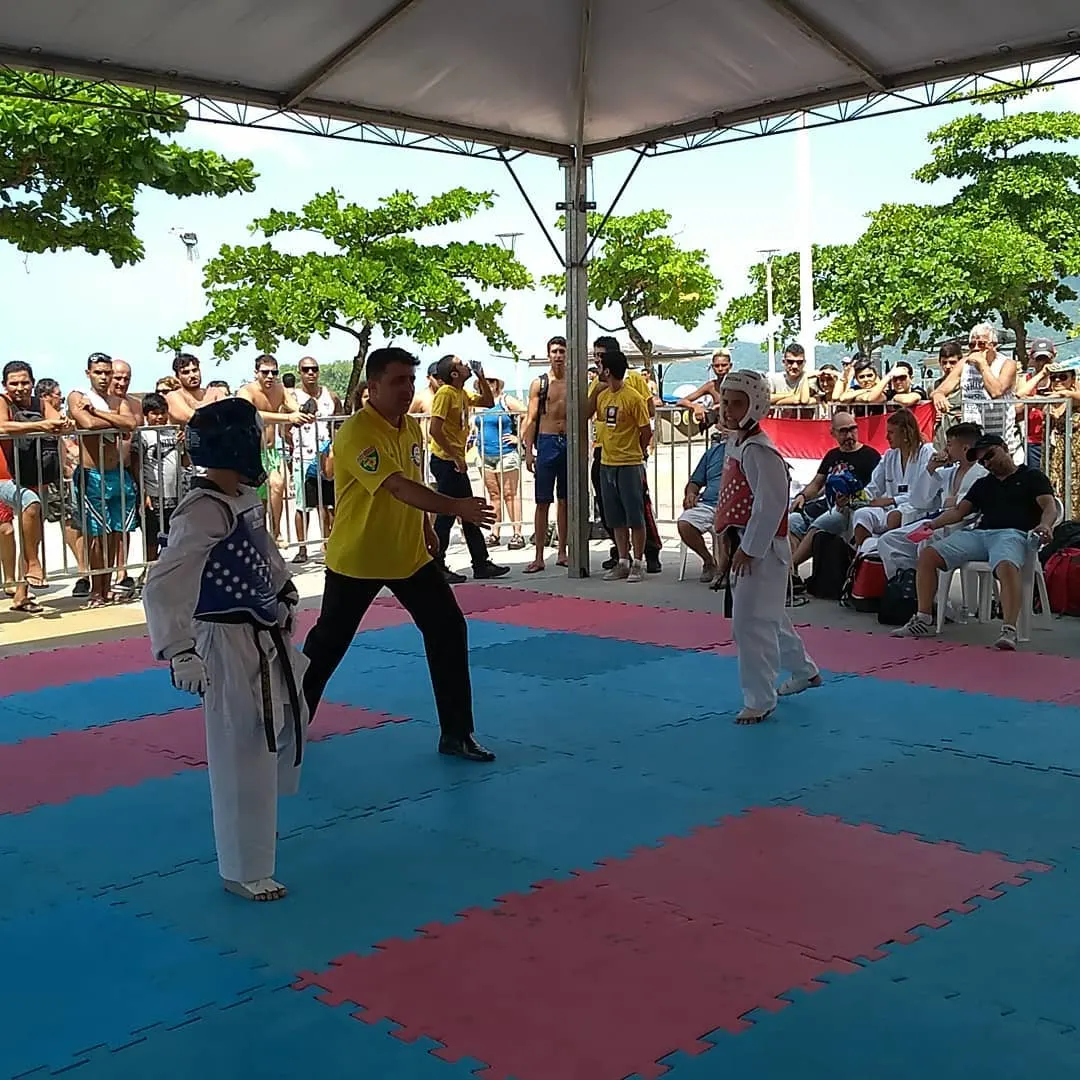
This is how taxpayers in Brazil can still donate when filing; readers abroad do not pay tax in Brazil, but the rule shows how local funds are financed. A donation directly on the Imposto de Renda (income tax) return lets you direct up to 3% of your tax due to children’s and adolescents’ funds and to elderly funds at filing time, without having planned it the previous year. The program generates a DARF (federal tax payment slip), you pay it by the due date of the first installment and the amount is deducted from your tax. The rule is in art. 260-A of the ECA (Brazil’s Child and Adolescent Statute) and in art. 2-A of Law No. 12,213/2010. Sport, however, is left out of this option. This article explains what counts, what does not and how to do it.
What it is for
Most incentivized donations must be made by December 31 to count on the following year’s return. Anyone who only learns about the benefit in April has already missed the year. Donating on the return solves this for two types of fund:
- Children’s and adolescents’ rights funds (national, state and municipal), under art. 260-A of the ECA, added by Law No. 12,594/2012.
- Elderly funds (national, state and municipal), under art. 2-A of Law No. 12,213/2010, added by Law No. 13,797/2019.
In both cases the limit is 3% of the tax due, within the overall 6% ceiling for incentivized deductions.
What does not count
- The Sports Incentive Law. LC 222/2025 requires a deposit into the project’s dedicated account, within the fundraising period. There is no field for donating to sport on the return.
- Lei Rouanet (the culture incentive law) and audiovisual. Also only during the year.
- PRONON and PRONAS (federal health programs). Same.
So, if your intention is to support sport with your tax, the path is a different one: how to donate income tax to sport.
Who can use it
§ 1 of art. 260-A lists the conditions:
- the donation must be in cash (money), not in goods;
- the option does not apply to those who use the simplified discount;
- it also does not apply to those who file the return late;
- the limit is 3% of the tax due, within the 6%.
In other words: full return, on time, in money.
Step by step
- Fill in the return using the full model.
- In the section for donations directly on the return, choose the type of fund (children or elderly) and the level (national, state or municipal). For Balneário Camboriú, choose the municipal fund.
- Enter the amount. The program automatically caps it at 3% of the tax due.
- Submit the return and print the DARF for the donation.
- Pay the DARF by the due date of the first installment or of the single payment (§ 3). The donation cannot be paid in installments.
- Keep the receipt. The fund issues its receipt based on the payment.
If the DARF is not paid, § 4 requires the donation to be disregarded and the tax recalculated.
An example with round numbers
Tax due of R$ 10,000:
- limit on the return: 3% = R$ 300;
- overall ceiling for the year: 6% = R$ 600.
If this taxpayer already donated R$ 400 to the FIA (municipal children’s fund) during the previous year, there is R$ 200 of room left, and that is the amount the program will accept, not R$ 300. § 5 of art. 260-A allows both forms to be combined, but there is only one ceiling.
Common mistakes
- Filing the simplified return and trying to donate. The program does not allow it.
- Generating the DARF and forgetting to pay it. The donation is dropped and the Receita Federal recalculates.
- Paying the DARF after the due date of the first installment. Same effect.
- Adding 3% + 6%. The 3% is within the 6%.
- Thinking you can donate to sport in this section. You cannot.
- Amending the return later to include the donation. The option applies to the original return, filed on time.
Why this matters in Balneário Camboriú
The city has an active FIA and Fundo do Idoso (elderly fund), and in May 2026 the city Finance Department ran a campaign encouraging taxpayers to donate to them. Donating on the return is the simplest way to keep tax money in the city: the money goes to projects approved by the municipal council. The specific guides are in Balneário Camboriú FIA and Balneário Camboriú Elderly Fund.
The usual warning: the Projeto Campeões do Futuro (“Future Champions”), Mestre Paulo Ribeiro’s free Taekwondo project for children after school hours, and FECAMTT, the Santa Catarina Traditional Muaythai Federation, are not in the FIA and do not receive income tax. The Muaythai nas Escolas (“Muaythai in Schools”) project is under PIE/SC (Santa Catarina’s Sports Incentive Program), which uses ICMS (the state tax on goods and services) from companies. See Muaythai nas Escolas. For the other options for individuals, see Support.
What to do today
If we are still in the calendar year, you have two options: donate to the fund now (up to 6%) or wait and donate on the return (up to 3%). The first gives you more room. The second is simpler. If the filing deadline has already passed, there is no donation on this year’s return; check the year’s deadline on the Receita Federal website.
This is how taxpayers in Brazil do it. If you live abroad, you do not pay tax in Brazil, but you can still support the project: want to talk about what free sport in Balneário Camboriú needs beyond tax money? Talk to the Mestre.
This content is for information only and does not replace advice from your accountant. Rules may change: always check the wording currently in force.
Frequently asked questions
What is a donation directly on the tax return?
It is the option to donate to children’s and adolescents’ funds and to elderly funds in the tax return program itself, up to 3% of the tax due, by paying a DARF (federal tax payment slip) by the due date of the first installment (ECA, art. 260-A; Law No. 12,213/2010, art. 2-A).
Can I donate to sport on the tax return?
No. Donations on the return exist only for children’s and elderly funds. The Sports Incentive Law requires donations during the year, into the project’s dedicated account.
Is the 3% limit on top of the 6%?
No. The 3% is within the overall 6%. Someone who already donated 6% during the year has no room left on the return.
Can people who use the simplified discount donate on the return?
No. Art. 260-A, § 1, of the ECA excludes those who use the simplified discount and those who file the return late.
What if I don’t pay the DARF?
The donation is disregarded and the tax is recalculated without it (ECA, art. 260-A, § 4).
Sources
Want to support the project?
See how companies and people in Brazil support sport through their taxes, or talk directly to the Master.
Read next
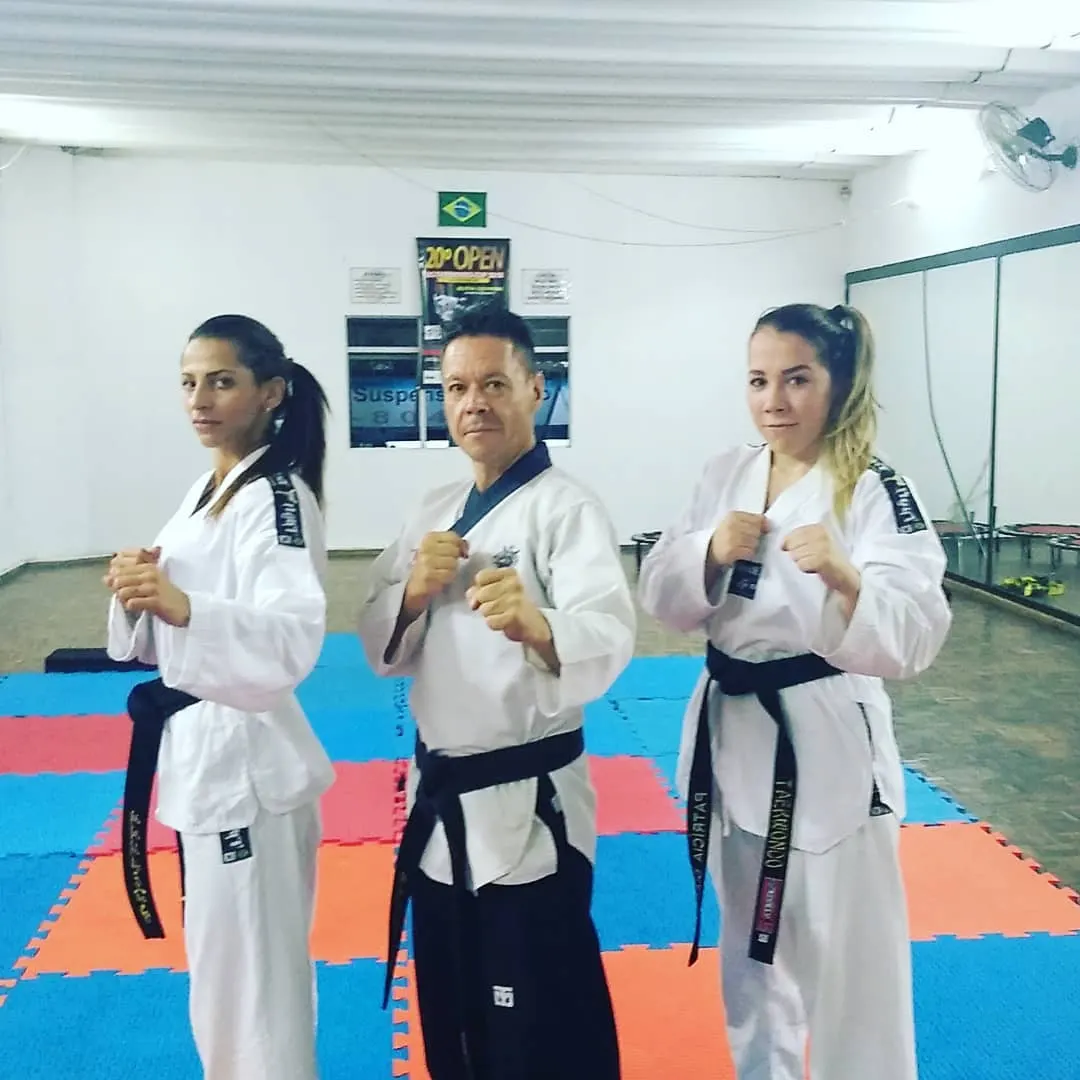
State public utility status: what the title gives a federation
FECAMTT received state public utility status under Law 19,281/2025. What it means, what it does not mean and how a federation applies.
· 8 min read

After-school sports in Brazil: what the law supports and how it works
After-school sports in Brazil: how the Sports Incentive Law, PIE/SC and Fundesporte treat projects for children, with a Balneário Camboriú example.
· 5 min read
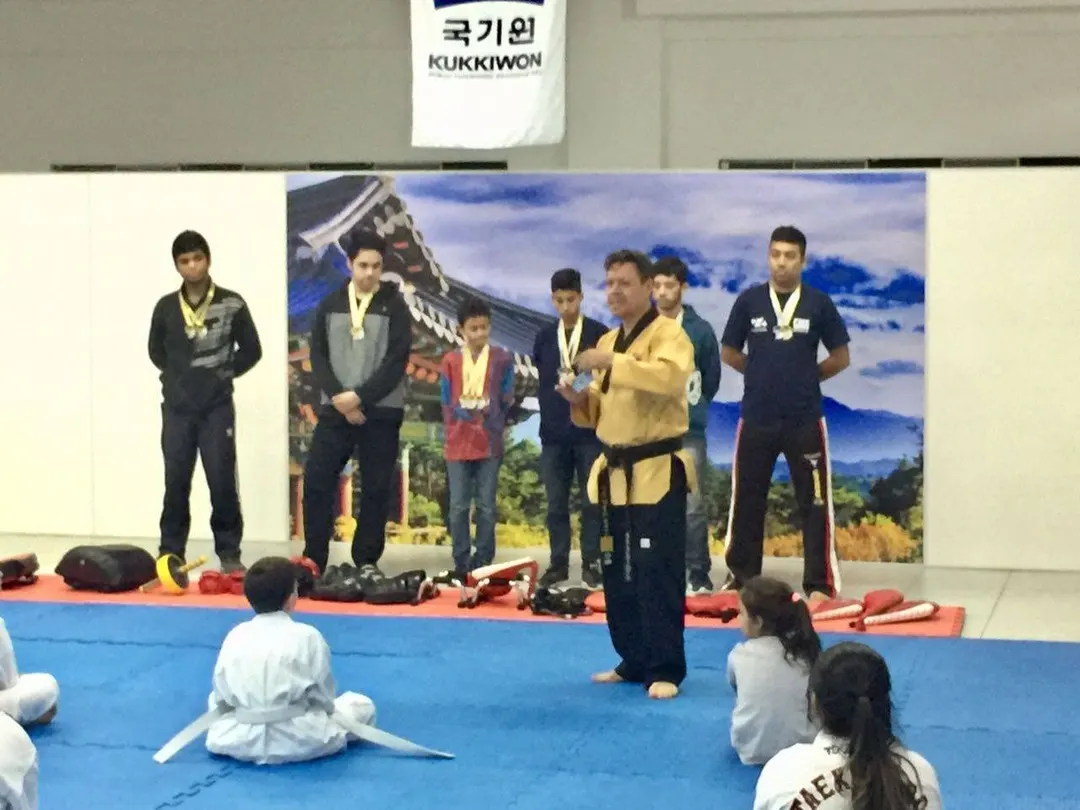
How to get corporate sponsorship for a sports project in Brazil
How to get company sponsorship for a sports project in Brazil: PIE/SC, the Sports Incentive Law or direct sponsorship, what to bring, what not to promise.
· 5 min read