Lei Rouanet vs. Sports Incentive Law: differences and limits
Lei Rouanet or Sports Incentive Law? Compare deductions, the 6% and 7% limits, sponsorship vs. donation and how to use both in the same year.
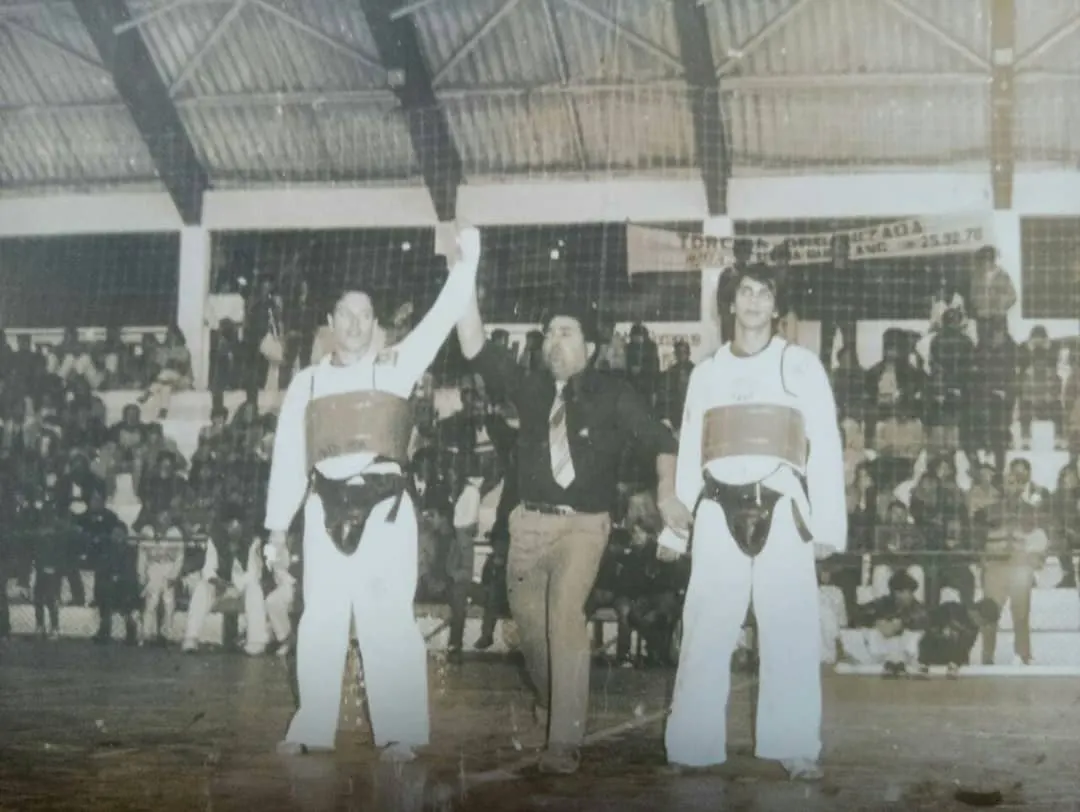
The Lei Rouanet (the federal culture incentive law) and the Sports Incentive Law do the same thing for different causes: the first deducts support for cultural projects from Imposto de Renda (income tax); the second, support for sports projects. The practical difference lies in the percentages: under the Rouanet, some donations deduct only 80% or 60% of the amount; in sports, the deduction is full within the limit, and individuals get a cap 1% higher. This is how taxpayers in Brazil do it; readers abroad do not pay tax in Brazil, but the comparison shows how Brazilian supporters choose between culture and sports. This article compares the two laws based on Law nº 8,313/1991 and LC 222/2025.
What each one funds
- Rouanet: cultural projects approved by the Ministry of Culture: performing arts, music, books, museums, heritage, audiovisual projects not covered by their own law, among others.
- Sports: sports projects approved by the Ministry of Sport, at the levels of sports development, sporting excellence and sport for life (LC 222/2025, art. 6).
In both, projects are proposed by an organization; individuals do not propose, they only support.
Deduction percentage
This is the most important difference.
Rouanet has two regimes:
- Art. 18: for segments listed in the law, such as performing arts, books of artistic value and classical music, the amount given is deducted in full, within the limit.
- Art. 26: for other projects, individuals deduct 80% of a donation or 60% of a sponsorship; companies deduct 40% of a donation or 30% of a sponsorship.
Sports: LC 222/2025 allows the amount donated or sponsored to be deducted, with no percentage reduction, within the limit.
Example with round numbers: an individual who sponsors an art. 26 Rouanet project with R$ 1,000 deducts R$ 600. If they donate R$ 1,000 to a sports project, they deduct R$ 1,000, as long as it fits within the limit.
Limits
| Who | Rouanet | Sports |
|---|---|---|
| Individual | within the shared 6% (Law nº 9,532/1997, art. 22) | 7% in total, added to the Rouanet and the funds |
| Company under actual profit | its own limit, to be checked with your accountant | 2% in 2026 and 2027; 3% from 2028; 4% social inclusion |
IN RFB nº 2,299/2025, a normative instruction from the Receita Federal (federal tax authority), confirmed the combined limit for individuals: children’s funds, elderly funds, Rouanet and audiovisual up to 6%; all of that plus sports up to 7%.
For companies, art. 9, § 4, of LC 222/2025 says the 4% limit for social inclusion sports projects is shared with art. 26 of the Rouanet and with the Lei do Audiovisual (the federal audiovisual incentive law). In other words, a company that already uses the Rouanet up to the cap does not have the full 4% for sports. And LC 224/2025 requires that only 90% of a company’s tax reductions be applied: check the effect with your accountant, as explained in LC 224/2025 and the cut in incentives.
Sponsorship or donation
Both laws distinguish sponsorship (with publicity) from donation (without publicity). Under the Rouanet, the distinction changes the percentage deducted under art. 26. In sports (LC 222/2025, art. 4) the percentage is the same; only what the company can ask for in return changes.
Related parties
Both laws prohibit supporting a project of a related party. Under the Rouanet, art. 27. In sports, art. 5 of LC 222/2025: the company itself, a spouse, relatives up to the third degree and affiliated companies.
How to use both in the same year
An individual with R$ 10,000 of imposto devido (tax due):
- R$ 600 to an art. 18 Rouanet project (full deduction) + R$ 100 to a sports project = R$ 700, the full 7%;
- or the whole R$ 700 to sports;
- or any split, keeping in mind that the art. 26 Rouanet portion deducts 80% or 60%.
Company under actual profit: the Rouanet and sports have separate caps for the general limit, but they share the 4% for social inclusion. See sports sponsorship under actual profit.
Common mistakes
- Thinking every Rouanet donation deducts 100%.
- Adding the Rouanet’s 6% to the 7% for sports.
- Trying to donate to either one directly on the tax return: only the FIA (Fundo da Infância e Adolescência, the Children and Adolescents Fund) and the Fundo do Idoso (Elderly Fund) accept that.
- Depositing into the organization’s general account.
- Supporting a cultural or sports project of an affiliated company.
Muaythai in Balneário Camboriú in this picture
It is worth repeating: there is no project by Mestre Paulo Ribeiro or by FECAMTT, the Santa Catarina Traditional Muaythai Federation, approved under the Sports Incentive Law or the Rouanet. Projeto Campeões do Futuro (“Future Champions”), free Taekwondo for children after school hours for more than twenty years, still receives no income tax. Muaythai nas Escolas (“Muaythai in Schools”) is under PIE/SC (Santa Catarina’s Sports Incentive Program), funded by ICMS (state tax on goods and services) from companies; see Muaythai nas Escolas.
If you compared the two laws to decide where to put your 7%, the real options for individuals are on the Support page. This is how taxpayers in Brazil do it. If you live abroad, you do not pay tax in Brazil, but you can still support the project: for other ways to help, talk to the Mestre.
How to do it today
- Calculate 7% of your tax due.
- If the cultural project falls under art. 26, remember that only 80% or 60% is deductible.
- If you want a full deduction and 1% more room, sports gives you that.
- In any case: dedicated account, fundraising period, receipt, modelo completo (full itemized return).
This content is for information only and does not replace advice from your accountant. Rules may change: always check the wording currently in force.
Frequently asked questions
What is the difference between the Lei Rouanet and the Sports Incentive Law?
The Rouanet (Law nº 8,313/1991) encourages cultural projects; the Sports Incentive Law (LC 222/2025) encourages sports projects. Both reduce Imposto de Renda (income tax), but with different percentages and caps.
Is the Rouanet deduction 100%?
It depends. Under art. 18, for listed segments, the deduction is full within the limit. Under art. 26, individuals deduct 80% of a donation or 60% of a sponsorship, and companies 40% or 30%.
Is the sports deduction full?
Yes. LC 222/2025 allows the amount donated or sponsored to be deducted, within the limit of 7% for individuals and 2% or 3% for companies under lucro real (actual profit regime).
Can I use both in the same year?
Yes. For individuals, the Rouanet falls under the 6% cap and, added to sports, the total goes up to 7%. For companies, the Rouanet has its own limit and shares the 4% social inclusion cap with sports.
Which one is better?
It depends on what you want to fund. In terms of the math, sports gives individuals 1% more room and allows a full deduction.
Sources
Want to support the project?
See how companies and people in Brazil support sport through their taxes, or talk directly to the Master.
Read next

State public utility status: what the title gives a federation
FECAMTT received state public utility status under Law 19,281/2025. What it means, what it does not mean and how a federation applies.
· 8 min read

After-school sports in Brazil: what the law supports and how it works
After-school sports in Brazil: how the Sports Incentive Law, PIE/SC and Fundesporte treat projects for children, with a Balneário Camboriú example.
· 5 min read

How to get corporate sponsorship for a sports project in Brazil
How to get company sponsorship for a sports project in Brazil: PIE/SC, the Sports Incentive Law or direct sponsorship, what to bring, what not to promise.
· 5 min read